
Last updated October 16, 2026
 Wrought iron
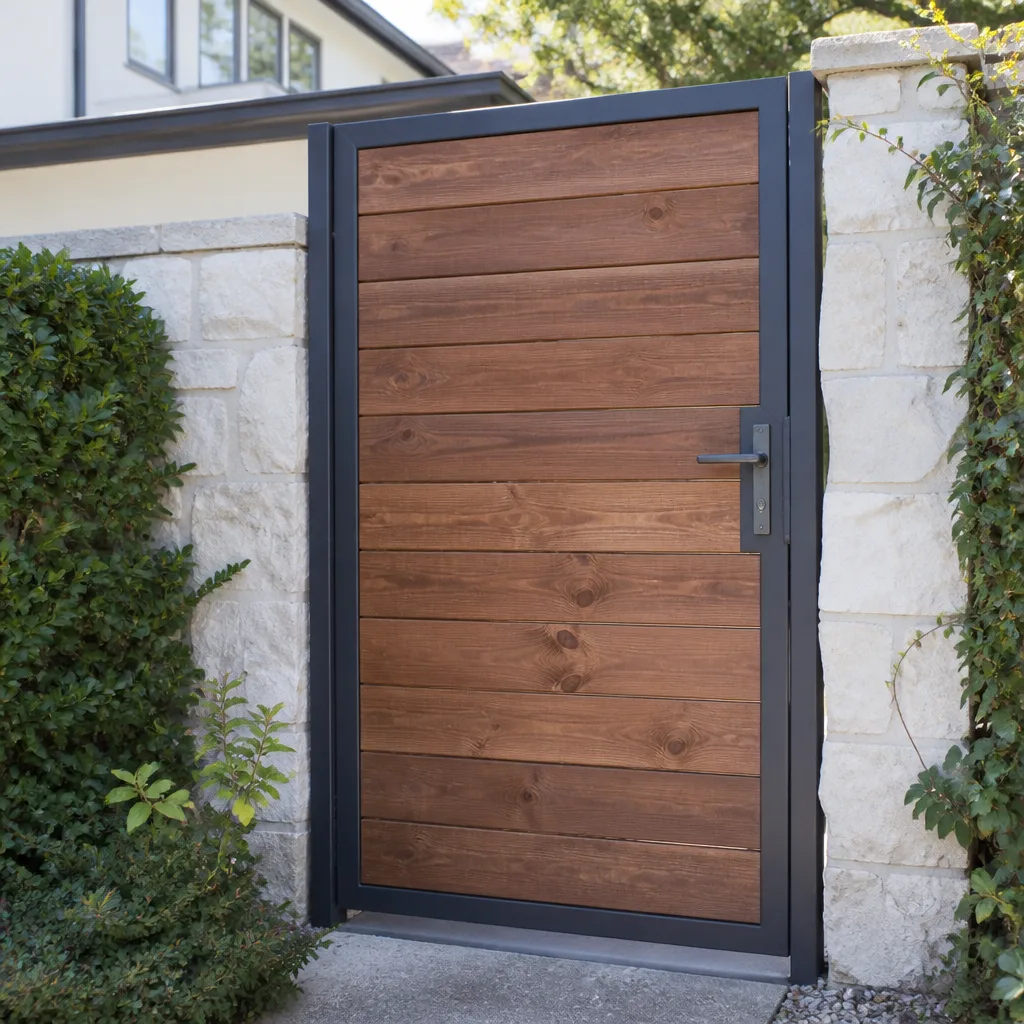 Wood & steel frame
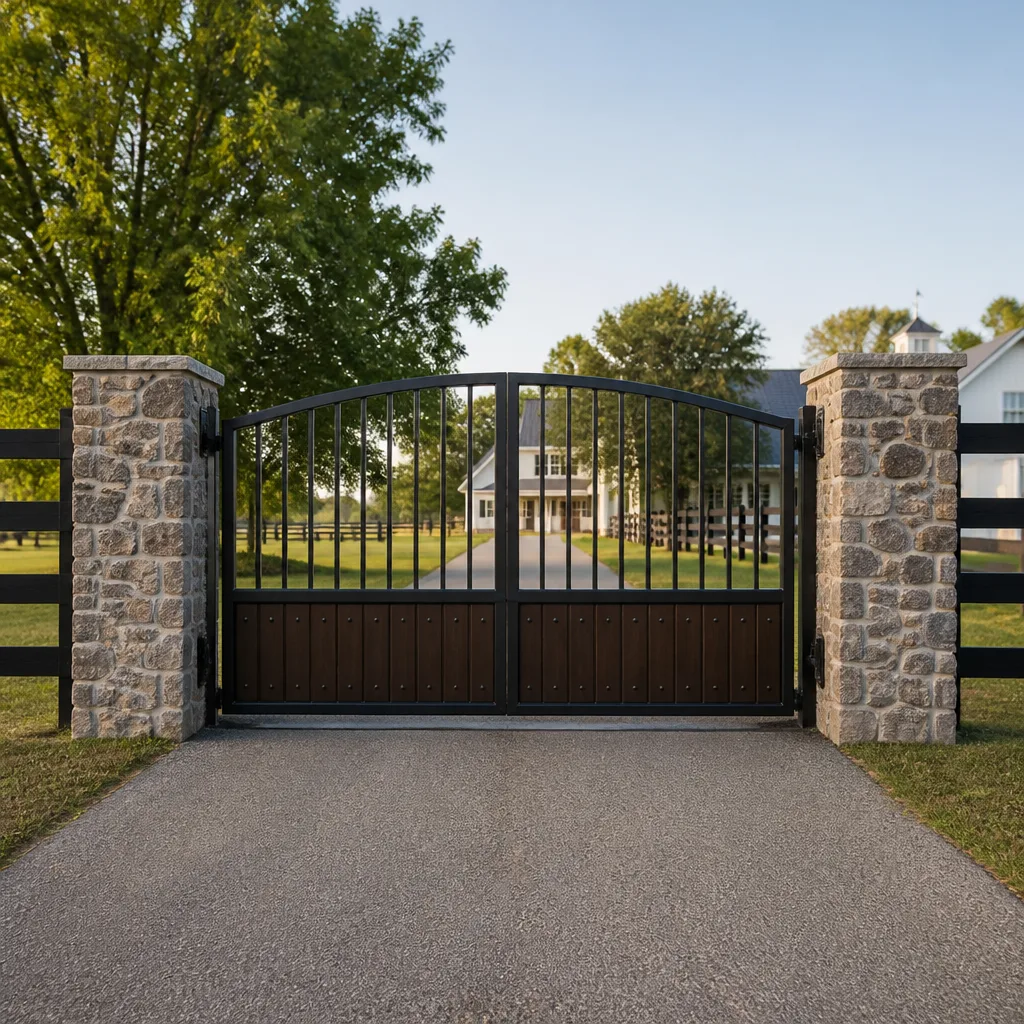 Farm & ranch
 Sliding driveway gates
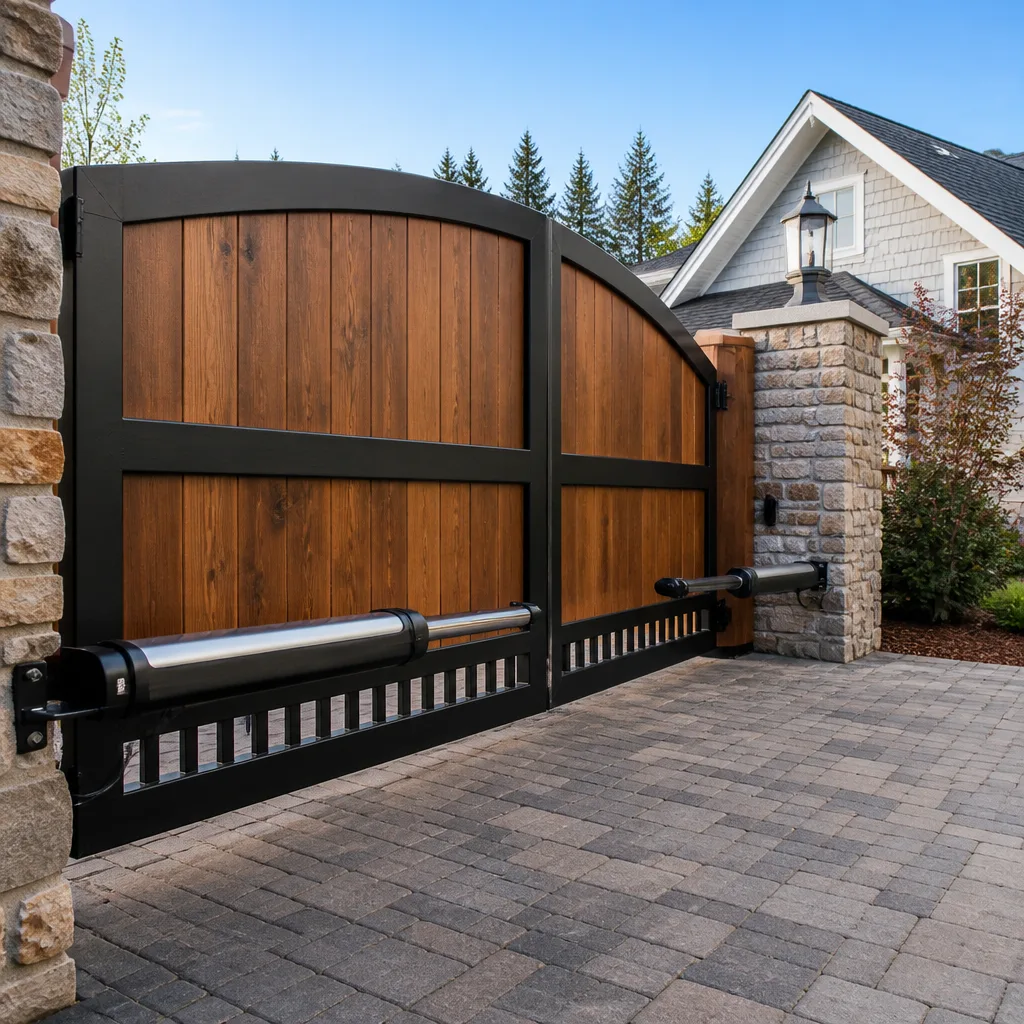 LiftMaster operators
Free on-site gate assessment - hinges, posts, and your LiftMaster or Nice gate operator checked before anything is quoted
The assessment is free and the quote is the invoice.
Get your free estimateGate Repair Permits, Codes & Inspections in CA: What You Need to Know
Here’s the counterintuitive reality most Ventura homeowners discover too late: replacing a gate opener is often treated as a bigger legal event than repairing one. Under California’s UL 325 standard and the City of Ventura’s building code, the moment your repair crosses into replacement territory, you may owe the city a permit, a fee, and an inspection. Contractors who skip that step to save you a few days quietly transfer the liability to you. This guide-along with our Gate Repair Warning Signs: A Ventura Homeowner’s Reference Guide-explains exactly where those lines fall, what the inspector actually checks, and how HOA rules in Ventura neighborhoods like Sommerset and Pierpont Bay layered on top of city code can catch you off guard. We’ll walk through permits, UL 325 entrapment protection, resale risk, and the application process step by step.
Quick Answer
Most gate hardware repairs in California do not require a permit, but replacing an automatic gate operator with a materially different or new unit typically does, because it triggers UL 325 compliance requirements and a city inspection. In the City of Ventura, the Community Development Department evaluates permit requirements based on the project’s valuation and whether work is a repair or a replacement. Unpermitted operator replacements violate California Building Code Section 105 and routinely surface in home inspection reports at resale, where they become the seller’s problem.
Styles & brands we work with
Table of Contents
- When a Gate Repair Becomes a Replacement Under Ventura Code
- UL 325 in Plain English: What Actually Gets Inspected
- HOA CC&Rs in Ventura: When Private Rules Beat City Permits
- Unpermitted Gate Work at Resale: What the Home Inspector Finds
- The Ventura Permit Process: Steps, Timing, and Costs
- Common Mistakes to Avoid
- When to Call a Professional
- Frequently Asked Questions
When a Gate Repair Becomes a Replacement Under Ventura Code
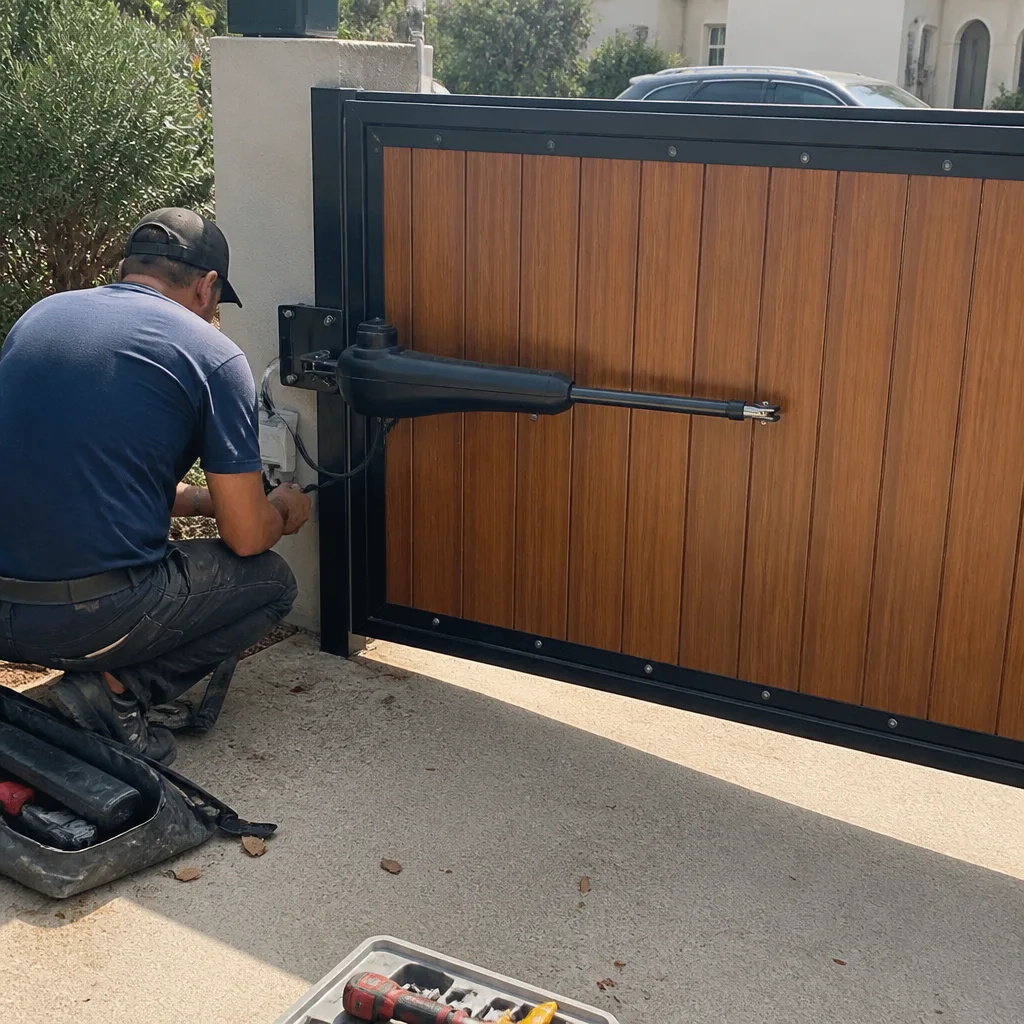
The City of Ventura draws the permit line using two tests: the dollar value of the work and the scope of what changed. A technician who swaps a worn gear, replaces a broken hinge, or re-seats a sensor is performing a repair. Under the California Building Code (CBC), repairs that restore existing equipment to its original condition are generally exempt from permit requirements when the work is valued under a few hundred dollars and does not alter the system’s safety characteristics. Ventura’s Community Development Department uses the same distinction, and in practice, most homeowners call us for exactly these jobs: a stuck slide gate, a Mighty Mule operator that stopped responding, a gate motor that hums but won’t turn.
The permit trigger fires when the work becomes a replacement. Specifically, the City of Ventura considers work a replacement when more than 50% of a system’s functional value is being changed in any 12-month period, or when the operator, the control board, or the physical gate assembly is being swapped for a new unit with different specifications. If your old DoorKing operator fails and we install a new LiftMaster operator in its place, that is a replacement, not a repair. The electrical connection changed. The force and speed settings changed. The entrapment protection configuration may have changed. The city treats that as new construction, and new construction requires a permit.
Given how often homeowners in Ventura’s coastal neighborhoods face salt-air corrosion on gate hardware, the buy-new-versus-repair decision happens more frequently than inland. A 12-year-old operator that has been eaten by marine air is often cheaper to replace than to rebuild component by component. But the moment you replace, not repair, you owe the city a conversation.
UL 325 in Plain English: What Actually Gets Inspected
UL 325 is the national safety standard for automatic gate operators, and it governs both new installations and operator replacements on existing gates. It was drafted after a series of fatal entrapment incidents involving automatic gates, and its entire architecture is built around one goal: a gate must not be able to crush, pin, or drag a human being. In Ventura, the inspector checking your permitted gate project is checking UL 325 compliance line by line.
The standard creates four distinct entrapment protection zones:
- Leading edge of the gate: the vertical edge that moves toward a fixed object, like a fence post or a wall.
- Trailing edge: the back edge of a sliding gate, which can create a shear point against a stationary surface.
- Bottom edge: the zone under the gate, which can catch feet or ankles.
- Post edge: the pinch point where the gate meets its hinge or pivot post.
For each zone, UL 325 specifies a protection method. Most installations rely on contact sensors (pressure-sensitive edges that reverse the gate when they feel resistance) and non-contact sensors (photoelectric eyes or loop detectors that reverse or stop the gate when an object crosses a beam). The inspector verifies that these sensors exist, that they are wired to the correct input on the control board, and that the gate’s closing force does not exceed the UL 325 maximum. In practical terms: the inspector sets a test object in the gate’s path and confirms the gate reverses before causing harm.
This is also where we see most unpermitted replacements fail. A contractor who replaces the operator but reuses a 15-year-old safety edge that has dried out and cracked has wired a non-compliant sensor into a UL 325-governed system. The gate works. The inspector would not pass it. And if that gate injures someone, the homeowner’s insurance carrier will ask who permitted it, who installed it, and why the safety edge wasn’t replaced.
HOA CC&Rs in Ventura: When Private Rules Beat City Permits
City permits set the floor. HOAs set the ceiling. In Ventura’s master-planned communities, like Sommerset and the Pierpont Bay area, the Covenants, Conditions, and Restrictions (CC&Rs) frequently impose requirements stricter than anything the City of Ventura asks for. You can hold a fully valid city permit and still be in violation of your HOA’s architectural rules.
The most common conflicts we see:
- Gate design approval: Many Ventura HOAs require an Architectural Review Committee (ARC) application before any gate that faces the street can be altered, even when the city requires no review at all.
- Height and material restrictions: A city-approved 36-inch pedestrian gate may violate an HOA rule requiring front-facing gates to be 48 inches or less visible from the street, or constructed in a specific material.
- Operator equipment restrictions: Some HOAs limit operator types for noise reasons. A chain-driven slide operator might be rejected in favor of a belt drive, or a specific brand like Elite or LiftMaster might be required for consistency across the community.
- Time-of-day installation rules: HOAs can restrict construction hours to weekday daylight, even when the city allows weekend work.
Who is responsible when the rules conflict? You are. The city does not enforce HOA rules, and the HOA does not enforce city code. Both can act against you simultaneously. When we handle a gate repair for a Ventura homeowner in an HOA community, we ask two questions up front: do you have the ARC approval, and do you have the city permit? If either answer is no, we pause the project until the paperwork is in hand. That costs time. It also prevents the homeowner from receiving a violation letter and a fine for work that was perfectly legal at the city level.
Unpermitted Gate Work at Resale: What the Home Inspector Finds
Home inspectors in California are trained to look for unpermitted electrical work, and automatic gate operators sit squarely in that category. During a resale inspection, the inspector checks the gate operator for a visible permit label or a city inspection sticker. When the sticker is absent, the inspector notes it. That single note triggers a chain of events that routinely costs sellers thousands of dollars in escrow.
What happens next:
- The buyer’s agent or attorney asks for documentation: permits, inspection sign-offs, or a contractor invoice proving the work was performed by a licensed gate contractor.
- If documentation cannot be produced, the buyer’s lender may flag the gate as an unpermitted improvement. Technically, the gate addition affects the property’s legal description only if the gate is new construction, but lenders rarely distinguish nuance from risk.
- The buyer requests either a retroactive permit or a repair credit. A retroactive permit in Ventura requires opening walls to inspect wiring, updating the operator to current UL 325 standards if it isn’t compliant, and paying permit fees plus any penalties.
- If the buyer walks, the seller must disclose the unpermitted work to the next buyer, which lowers the sale price.
Crucially, the liability does not attach to the contractor who skipped the permit years ago. It attaches to the seller who owns the house when the unpermitted work is discovered. We’ve helped Ventura homeowners resolve these situations through our Gate Repair services, and the conversation always starts the same way: the inspector found the gate, and now escrow is frozen. The fix is a permit, an inspection, and in many cases, replacement of an outdated operator that can no longer meet UL 325’s current thresholds.
The Ventura Permit Process: Steps, Timing, and Costs
If your gate project needs a permit, the process flows through the City of Ventura Community Development Department, located in the heart of downtown near the government center. Here is what to expect, step by step:
- Determine if a permit is required. Call the city’s permit desk or have your gate contractor do it. Don’t rely on a “the contractor said so” conversation. An electric gate operator replacement is not a gray-area project.
- Submit the application. The application requires a project description, the operator’s make and model, the gate’s dimensions and swing direction, and the valuation of the work. For a typical single-family operator replacement, the valuation usually lands around $1,500 to $3,500, which in Ventura generally triggers a “minor electrical” permit type.
- Pay the permit fee. Ventura’s permit fees for minor electrical work typically range from $120 to $350, depending on the valuation and the specific inspection path. The city adjusts its fee schedule annually, so confirm before writing the check.
- Schedule the rough-in inspection. If wiring is being run, the inspector verifies the wire gauge, conduit depth, and junction box location before the wire is buried or hidden.
- Complete the final inspection. This is the UL 325 review. The inspector checks the operator’s brand and model against the application, verifies entrapment protection on all four zones, tests the gate’s closing force, and confirms the installation matches the submitted plan.
Timeline: plan for two to three weeks from application to final sign-off in Ventura, assuming the paperwork is clean and the inspector’s schedule is open. Emergency gate repairs that cannot wait for the permit timeline are a separate question, and the city has an after-the-fact permit path for those situations, but walking into that path because no one pulled the permit up front is worse than pulling it correctly the first time. For advice on choosing qualified help, see our How to Hire a Gate Repair Contractor in Ventura: A Step-by-Step Guide.
What does the inspection actually check? In our experience with Ventura inspections, the inspector focuses on four things: the operator’s UL 325 certification label, the wiring and grounding, the entrapment protection devices, and the physical condition of the gate itself, because a sagging gate or a rusted hinge can defeat even a perfectly installed safety system.
Common Mistakes to Avoid
- Assuming all gate work is exempt from permits. It is not. Repairs are exempt in most cases. Replacements are not. The distinction matters legally and financially.
- Letting the contractor decide the permit requirement for you. A contractor who says “don’t worry, it’s a repair” may be defining “repair” loosely to avoid paperwork. Ask for the definition in writing. If you’re in Ventura and the answer is evasive, call the Community Development Department yourself.
- Skipping HOA review. A city permit does not override your CC&Rs. In Sommerset, Pierpont Bay, and other deed-restricted communities, the HOA can fine you for a gate the city approved. Check both layers before anyone touches the gate.
- Reusing old safety equipment with a new operator. UL 325 compliance is not optional and does not grandfather in a 1990s safety edge just because it “still works.” The inspector will fail it. The insurance carrier will ask about it.
- Ignoring the resale risk. Unpermitted gate work hides in plain sight at resale. Home inspectors look for that missing permit sticker. Sellers who thought they saved $300 find themselves cutting a $5,000 repair credit.
- Confusing the permit with the inspection. A permit is permission to do the work. The inspection is verification that the work is safe. You need both. A permit without a final inspection sign-off is unpermitted work in the eyes of any future buyer or lender.
When to Call a Professional
Call a gate contractor when the gate operator is being replaced, not repaired; when the gate’s safety system shows wear; when the gate begins reversing unexpectedly or failing to close all the way; when you’re planning to sell a Ventura home with an automatic gate and cannot find the permit records; or when your HOA has sent a letter about gate compliance. These are exactly the moments when the cost of getting it wrong exceeds the cost of getting it right. Warden Gate Repair Ventura offers free estimates in Ventura – call (831) 226-7089 and we’ll tell you up front whether your project needs a permit, what the written price will be, and who will show up at your door.
Frequently Asked Questions
A minor electrical permit for a typical single-family gate operator replacement in Ventura generally costs between $120 and $350, depending on the project valuation and the current city fee schedule. This is separate from the labor and parts. Call (831) 226-7089 for a free written estimate that includes the permit fee, so you see the full number before work starts.
Yes, if the replacement alters the system’s electrical configuration, safety characteristics, or operator specifications, which is the case for most operator swaps. A like-for-like repair that restores the existing opener without changing its wiring or safety devices is usually exempt. In Ventura, the Community Development Department makes the final call, and the valuation of the work determines the permit type.
UL 325 is the national safety standard for automatic gate operators, and it requires entrapment protection on all four gate zones: leading edge, trailing edge, bottom edge, and post edge. The standard exists to prevent gates from crushing or pinning people, and any permitted gate operator replacement in California must demonstrate compliance through a city inspection. Non-compliant gates injure people and expose homeowners to liability.
Yes. Ventura HOAs in communities like Sommerset and Pierpont Bay can require architectural review, material approvals, and installation time restrictions that exceed city code. The city does not enforce HOA rules, and the HOA does not enforce city permits. Homeowners must satisfy both layers separately.
The home inspector will likely flag the missing permit sticker, the buyer will request documentation, and escrow may freeze while you resolve the issue. A retroactive permit may require opening walls, upgrading the operator, and paying fees and penalties. In many cases, sellers end up offering a repair credit or losing the sale.
We service LiftMaster, FAAC, BFT, Linear, Viking, Ghost Controls, DoorKing, Elite, and Mighty Mule gate operators. Write down your operator’s brand before you call, and we’ll tell you over the phone whether we carry the parts. Our written price is delivered before any work begins, and it never changes after the fact.
The Bottom Line
Gate repair permits in California are not complicated once you know where the line sits: repairs are mostly exempt, replacements are mostly not, and UL 325 compliance applies either way. For more guides & resources, visit our blog. The riskiest move is letting a contractor define the permit requirement for you. In Ventura, the Community Development Department will tell you the truth in one phone call. HOA rules can tighten the requirements further, and resale inspections will expose work that was never permitted. Get both layers answered before anyone touches the gate, and you’ll never find yourself in an escrow freeze, a fine, or a liability fight that started with a skipped piece of paper.
Written by Cole Rafferty, Owner at Warden Gate Repair Ventura, serving Ventura since 2008.
See the difference
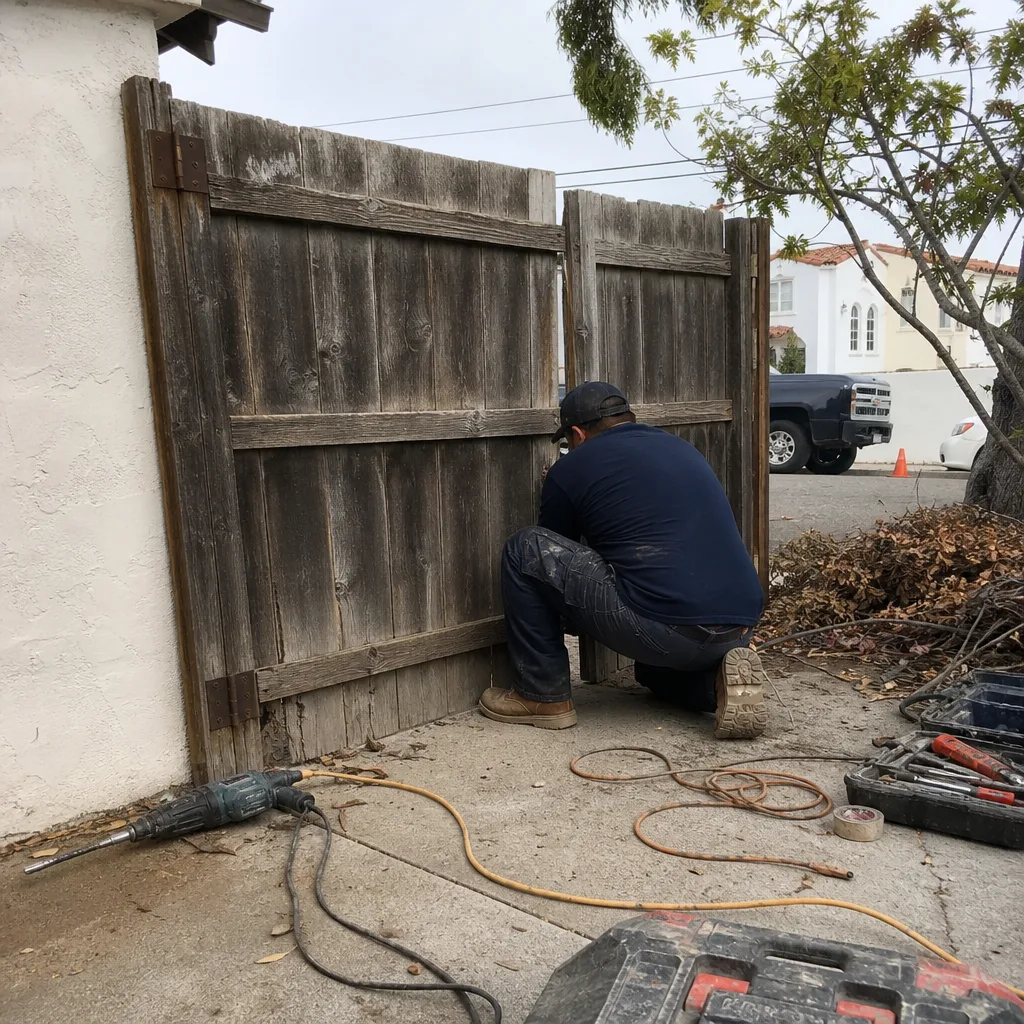 Before
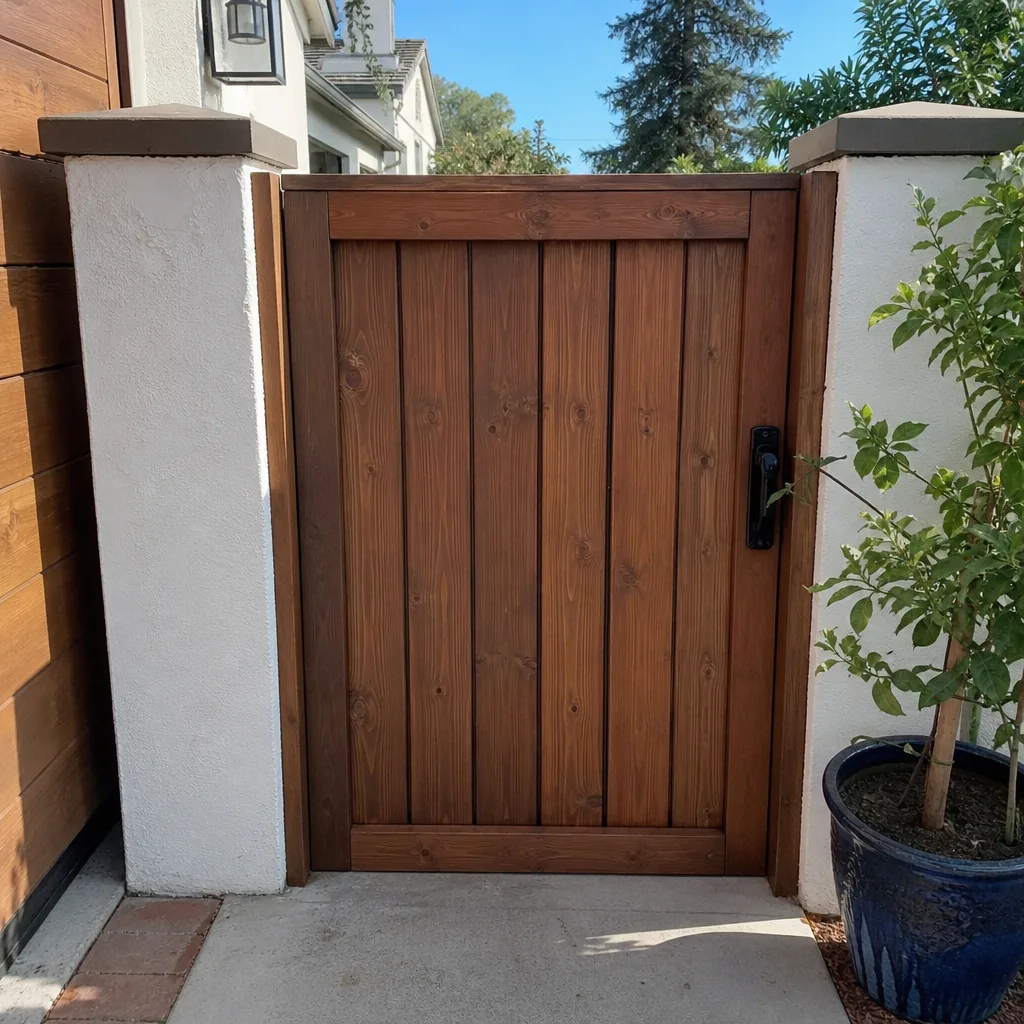 After
After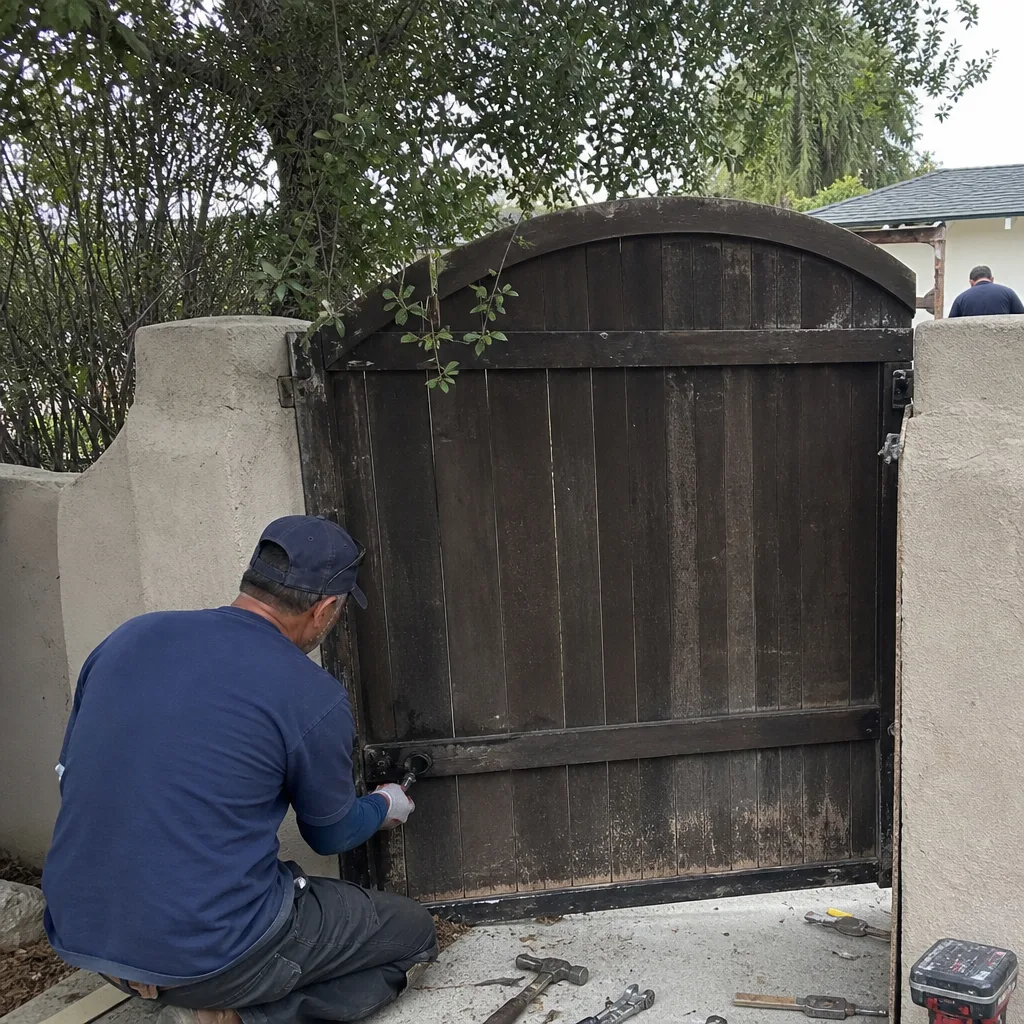 Before
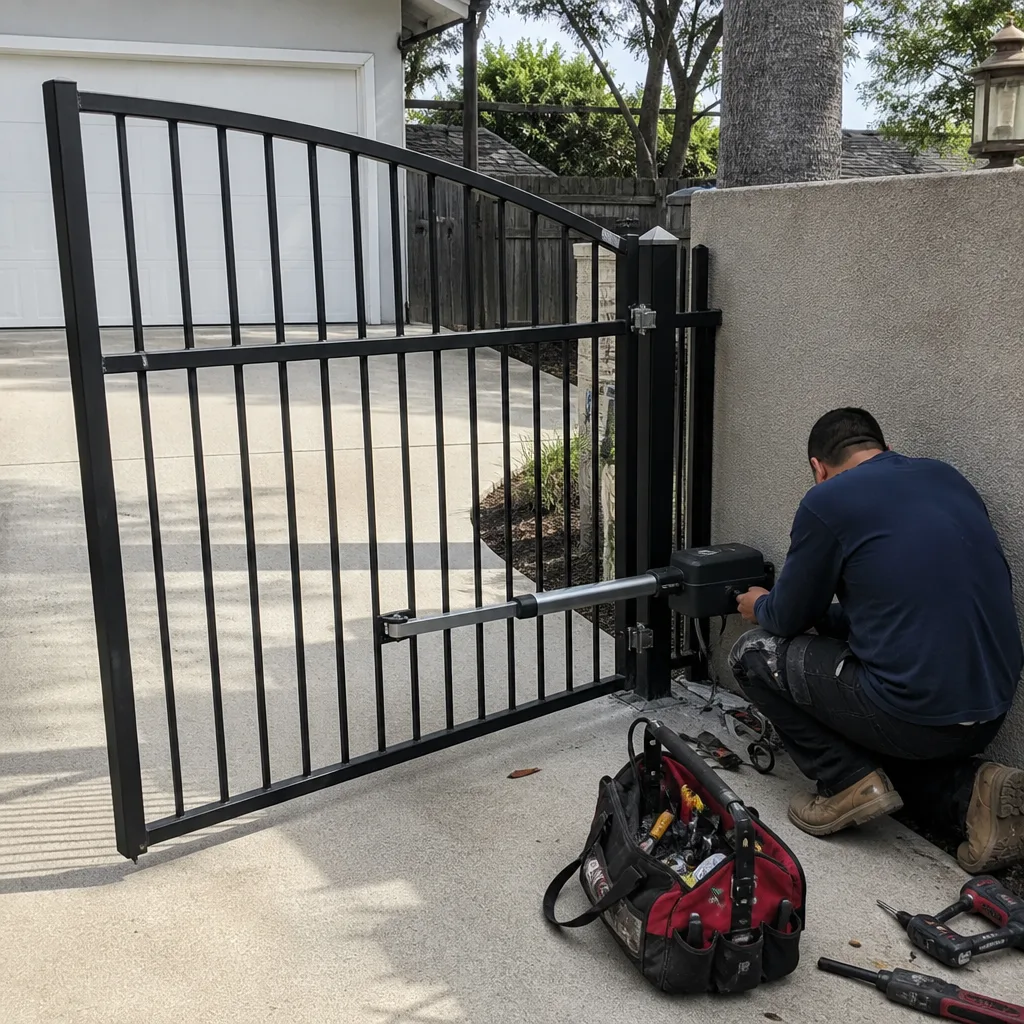 After
After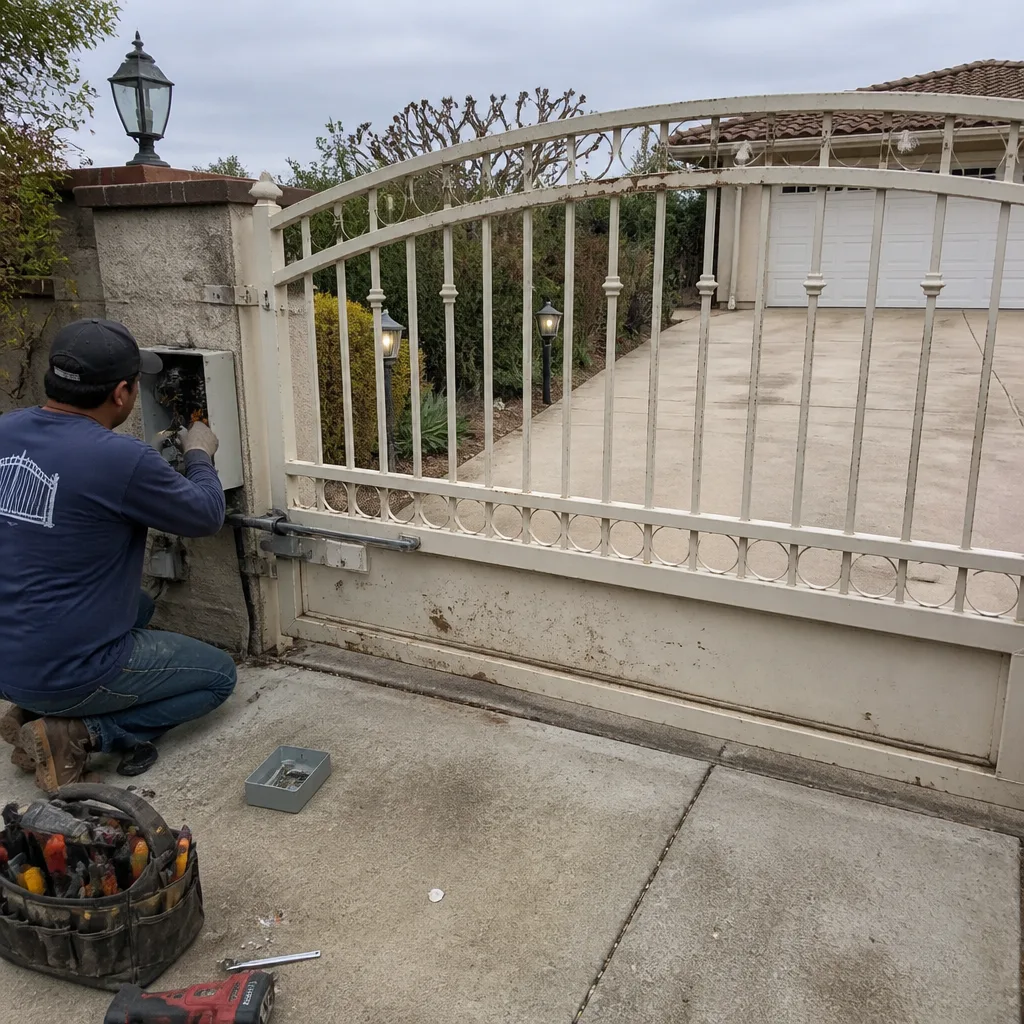 Before
 After
After