
Last updated October 16, 2026
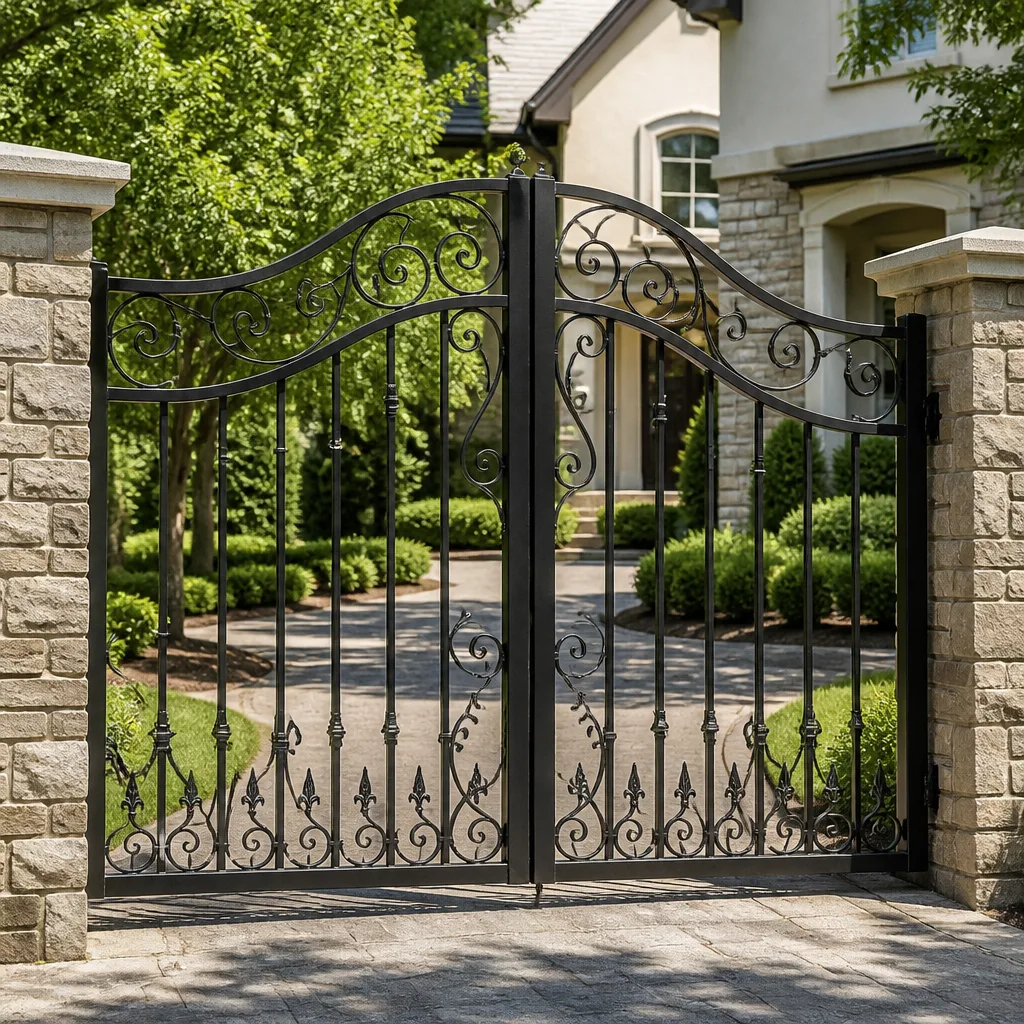 Wrought iron
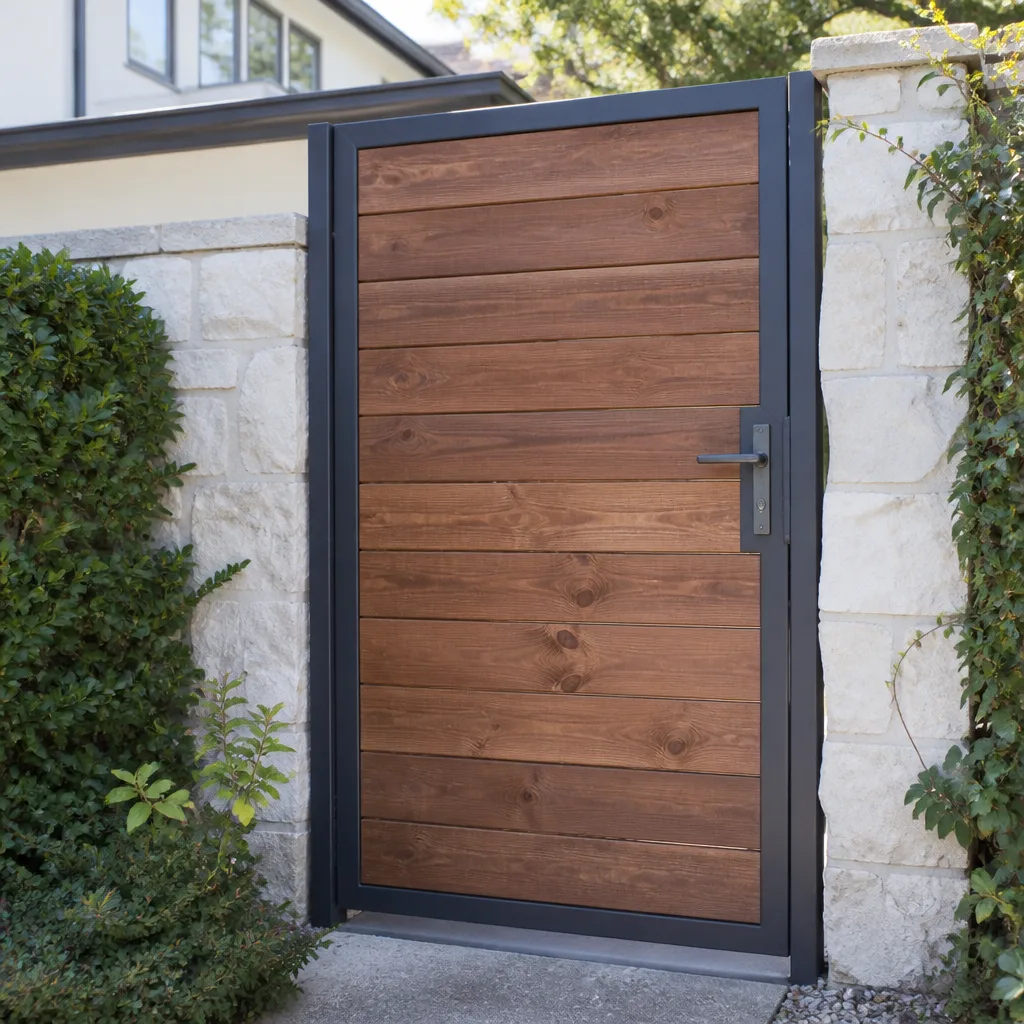 Wood & steel frame
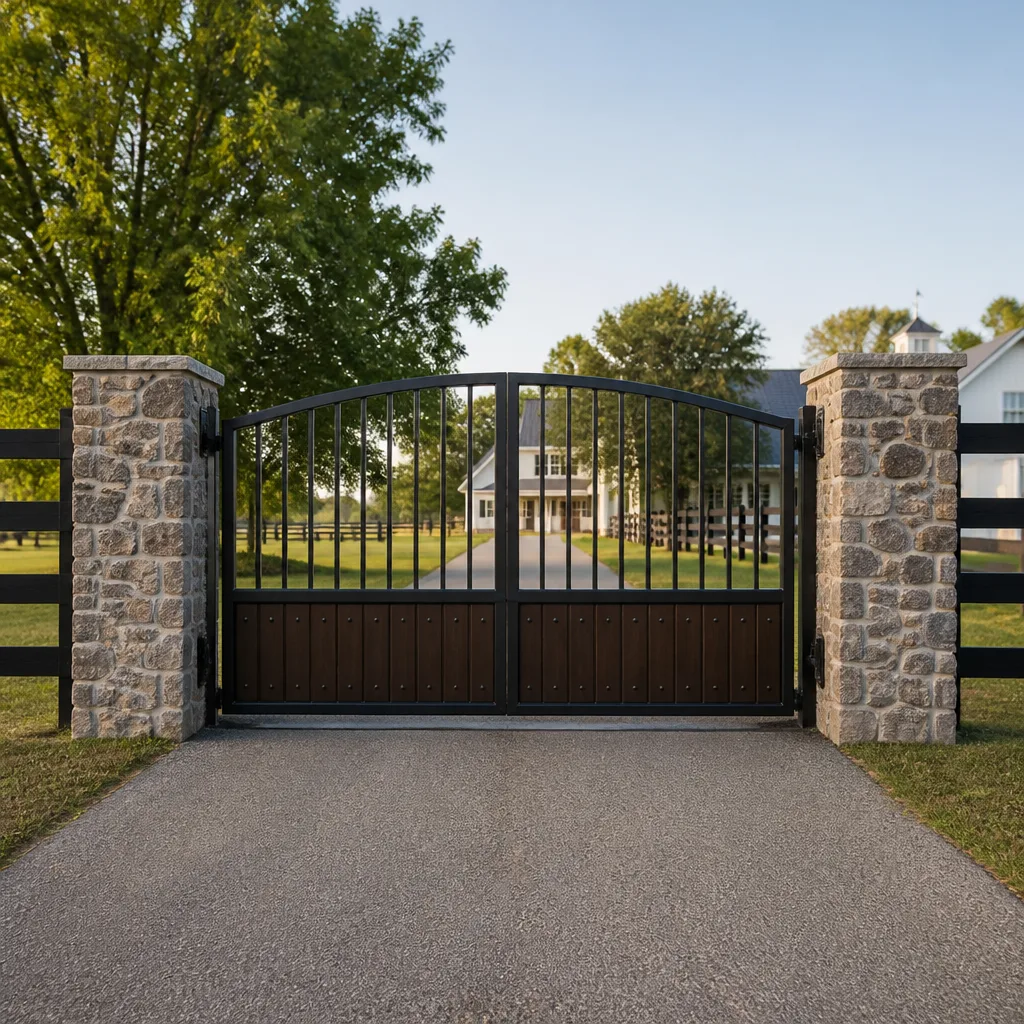 Farm & ranch
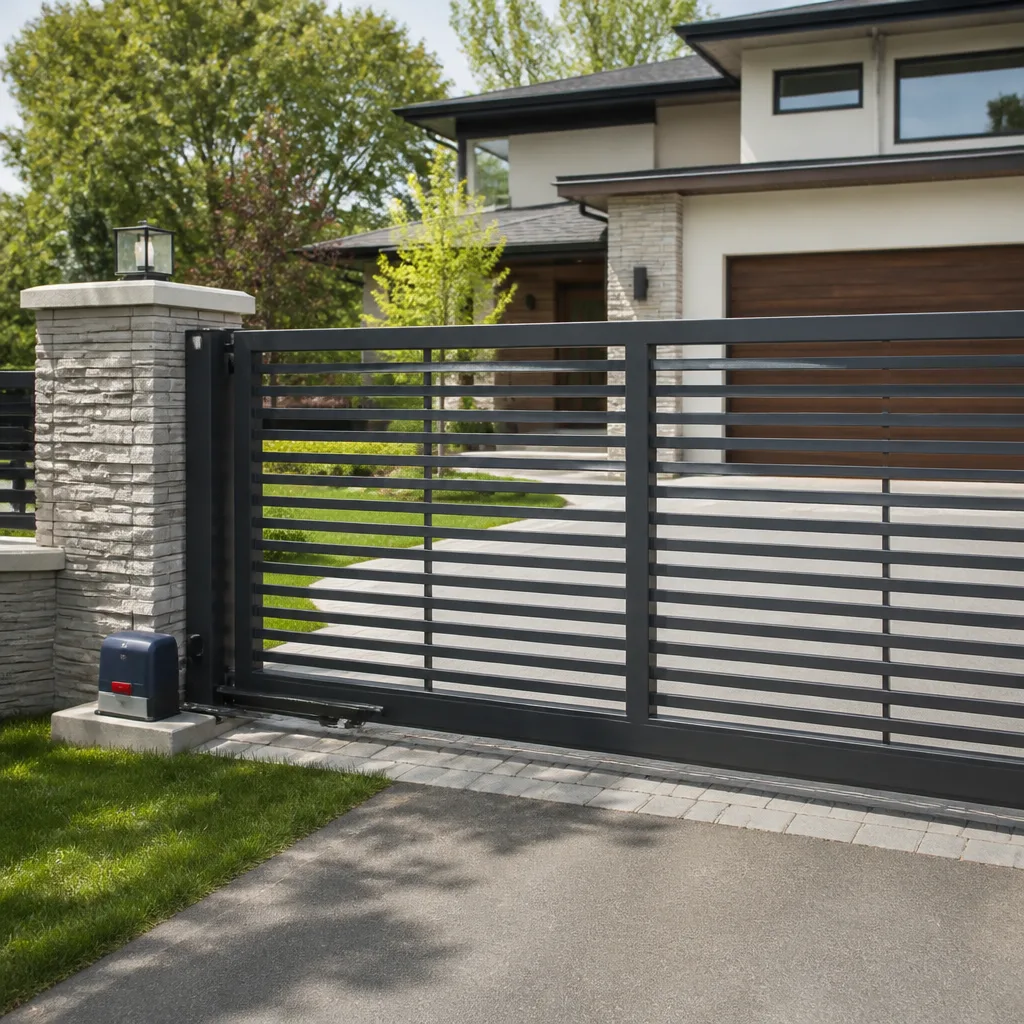 Sliding driveway gates
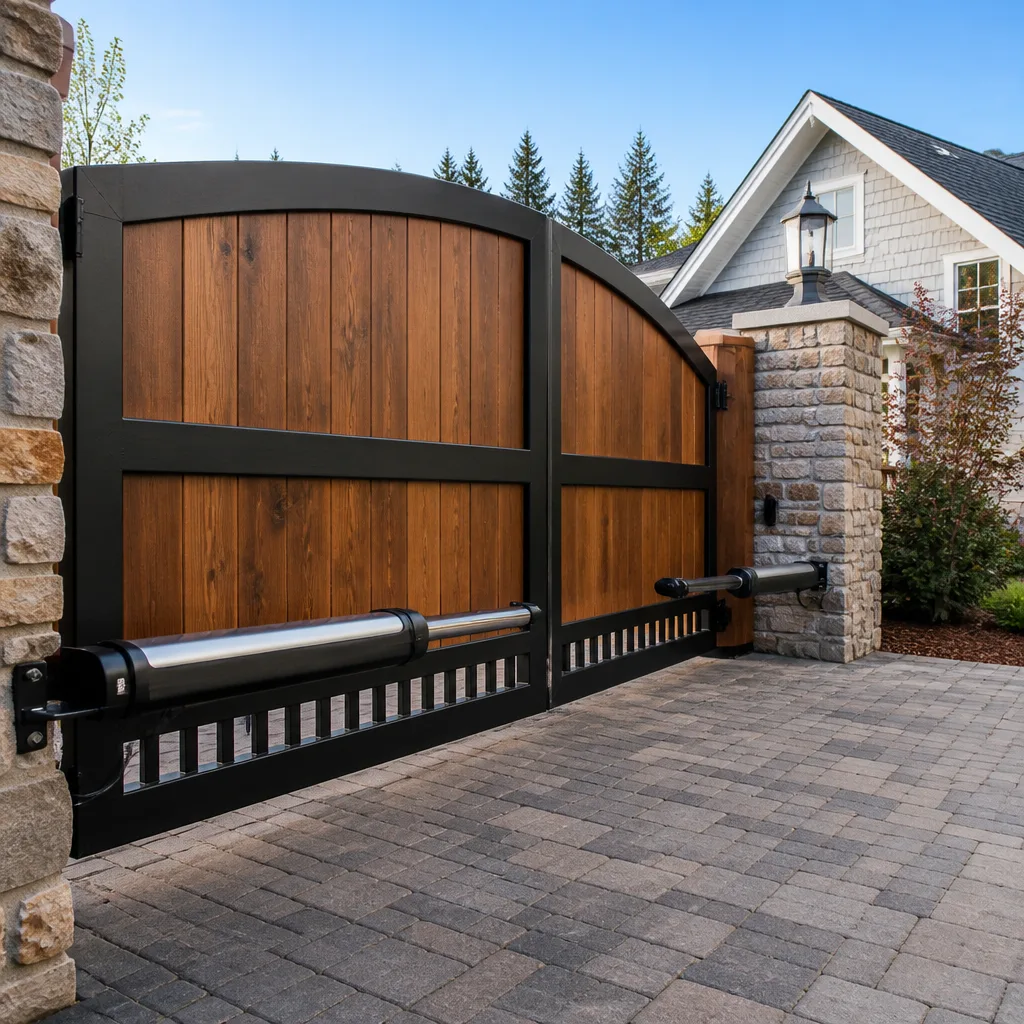 LiftMaster operators
Free on-site gate assessment - hinges, posts, and your LiftMaster or Nice gate operator checked before anything is quoted
The assessment is free and the quote is the invoice.
Get your free estimateSeasonal Gate Repair Care for Ventura: Year-Round Homeowner’s Guide
Ventura’s climate gets described as “mild” so often that homeowners stop looking for seasonal threats. That’s a mistake, because our so-called easy weather actually produces four distinct stress cycles that hit gates differently. June Gloom humidity corrodes circuit boards and fogs photo-eye lenses. July and August heat waves cook operator motors in inland-facing properties. October Santa Anas load swing gates with wind forces they were never adjusted for. And January storm runoff pools under slide tracks and rusts them from the bottom up. This guide names each pattern and gives you the specific care tasks that match it, and you can find The Complete Guide to Gate Repair in Ventura for deeper detail.
Styles & brands we work with
Quick Answer
Seasonal gate care in Ventura means four distinct maintenance cycles: spring photo-eye and circuit-board cleaning during June Gloom, summer thermal-cutoff checks before inland heat waves, fall hinge and wind-load reinforcement before Santa Ana season, and winter drainage inspection under slide tracks before storm runoff arrives. Most seasonal gate failures in Ventura are preventable with about 90 minutes of attention per season, and the tasks break down into simple visual checks, cleaning, and lubrication rather than complicated mechanical work or professional Gate Repair.
Table of Contents
- June Gloom and Spring: Condensation, Photo-Eyes, and Circuit Board Care
- Summer: Operator Overheating and Thermal Cutoff Checks
- Fall: Santa Ana Wind Loads on Swing Gates
- Winter: Storm Runoff, Slide Track Rust, and Drainage
- Year-Round: Temperature Cycling and Gate Frame Racking
- The Ventura Seasonal Maintenance Schedule
- Common Mistakes to Avoid
- When to Call a Professional
- Frequently Asked Questions
- The Bottom Line
June Gloom and Spring: Condensation, Photo-Eyes, and Circuit Board Care
From late May through early July, Ventura sits under a marine layer that pushes humidity to 80% or higher overnight, then burns off to warm, dry afternoons. That cycle is rough on gate electronics. The photo-eye lenses, the small sensors near the base of your gate that detect obstacles, collect a fine film of moisture and salt dust. When that film builds up, the sensors send false obstruction signals, and your gate refuses to close or reverses halfway.
We hear from homeowners in Midtown and College Area every June about gates that “suddenly started acting up.” What’s actually happening is lens fog, not a mechanical failure. The fix is simple:
- Locate the photo-eye sensors on either side of the gate opening. They’re small round or square lenses, usually mounted 6 to 18 inches off the ground.
- Wipe each lens with a dry microfiber cloth. Do not use glass cleaner or water, which leaves residue.
- Check the sensor alignment. If one sensor got bumped by a lawn mower or a delivery, it may point slightly off-axis. Realign it until the small indicator light glows steady.
- Test the gate by closing it with the remote while standing clear. If it still reverses, check the wiring connection at the operator box for corrosion.
Circuit boards inside the gate operator, the box that slides or swings your gate automatically, are also vulnerable during this season. Ventura’s morning dew creeps into enclosure seals that have dried or cracked. A hairline crack in the operator housing on a June Gloom morning is enough to let moisture reach the control board, and a shorted board means a gate that won’t move at all. If you open your operator cover and see white or green crust on the board, that’s corrosion. Catch it early and a technician can often clean the board. Wait until the gate dies and you’re usually buying a replacement board.
Our gate repair team in Ventura sees more false-obstruction calls in June than any other month, and a surprising number are solved with a lens wipe. If you’d rather have it handled, call us and we’ll send a technician with a name and photo before arrival.
Summer: Operator Overheating and Thermal Cutoff Checks
Ventura’s summer heat is uneven. Properties east of Victoria Avenue and up into the foothills, Saticoy, parts of East Ventura, regularly run 10 to 15 degrees hotter than beachside neighborhoods. Gate operators installed on west-facing walls or in full afternoon sun absorb that heat directly. When the internal temperature of a gate motor climbs past its design limit, the thermal cutoff switch trips and the gate stops responding entirely. It’s not broken. It’s protecting itself. But that doesn’t help you when you’re trying to get into your driveway at 4 p.m. in July.
The two most common operator brands we service in Ventura, FAAC and LiftMaster, both use thermal protection, and both behave the same way when they trip: the gate works in the morning, locks up in the afternoon, and mysteriously works again after sunset. If that pattern sounds familiar, you’ve been living with thermal cutoff events, and you can catch the warning signs before the motor locks up for good.
What to check in July:
- Listen for a labored sound when the gate moves. A motor straining against low fluid or dry gears runs hotter than it should.
- Check the operator housing. If it’s too hot to hold your palm against for five seconds, the internals are running near the cutoff threshold.
- Inspect the airflow around the operator. Overgrown bougainvillea or stacked storage bins against the motor trap heat exactly like a blocked radiator.
- Note the time of day when failures happen. Consistent afternoon lockouts are a thermal pattern, not a random glitch.
Solar-powered gate operators, common in Ventura’s unincorporated hillside properties, have an additional summer vulnerability: battery degradation. A battery that spent three winters cycling through cool nights and warm days loses capacity, and when the July heat arrives, the panel produces plenty of power but the battery can’t hold it. If your solar gate runs fine until the evening and dies overnight, test the battery.
Thermal cutoff is designed to protect the motor, but repeated tripping shortens the life of internal components. It’s like running a car engine hot over and over. It doesn’t fail today. It fails next February, when you least want to deal with it.
Fall: Santa Ana Wind Loads on Swing Gates
October in Ventura brings Santa Ana winds, and Santa Anas don’t blow steady. They gust. A 40 mph sustained wind can carry 60 mph gusts, and every gust slams your swing gate against its stop point. The gate leaf acts like a sail. The force lands on three specific hardware points: the hinges, the stop bolts, and the ground lock or drop rod.
Most gate hinges are adjustable, and over a season of wind loading they creep out of alignment. A gate that sags a half inch at the latch end after a wind event will rub the ground or drag on the catch. Left alone, the sag worsens, and the gate eventually binds against the post. The fix is straightforward, but the diagnosis requires knowing what you’re looking for:
- Open the gate fully and look at the gap between the bottom edge and the ground. It should be even from hinge to latch. A taper means the hinges have shifted.
- Grab the latch end of the gate and lift. Any vertical movement means hinge bushings are worn.
- Check the stop bolts on the gate posts. These are the small metal bolts that stop the gate’s travel. After a Santa Ana season, they often loosen. A loose stop bolt lets the gate over-travel, which yanks the opener arm past its limit.
- Test the ground lock or drop rod. If the gate slams into a lock that’s binding or seized, the impact loads transfer to the operator arm, and that’s a bent arm waiting to happen.
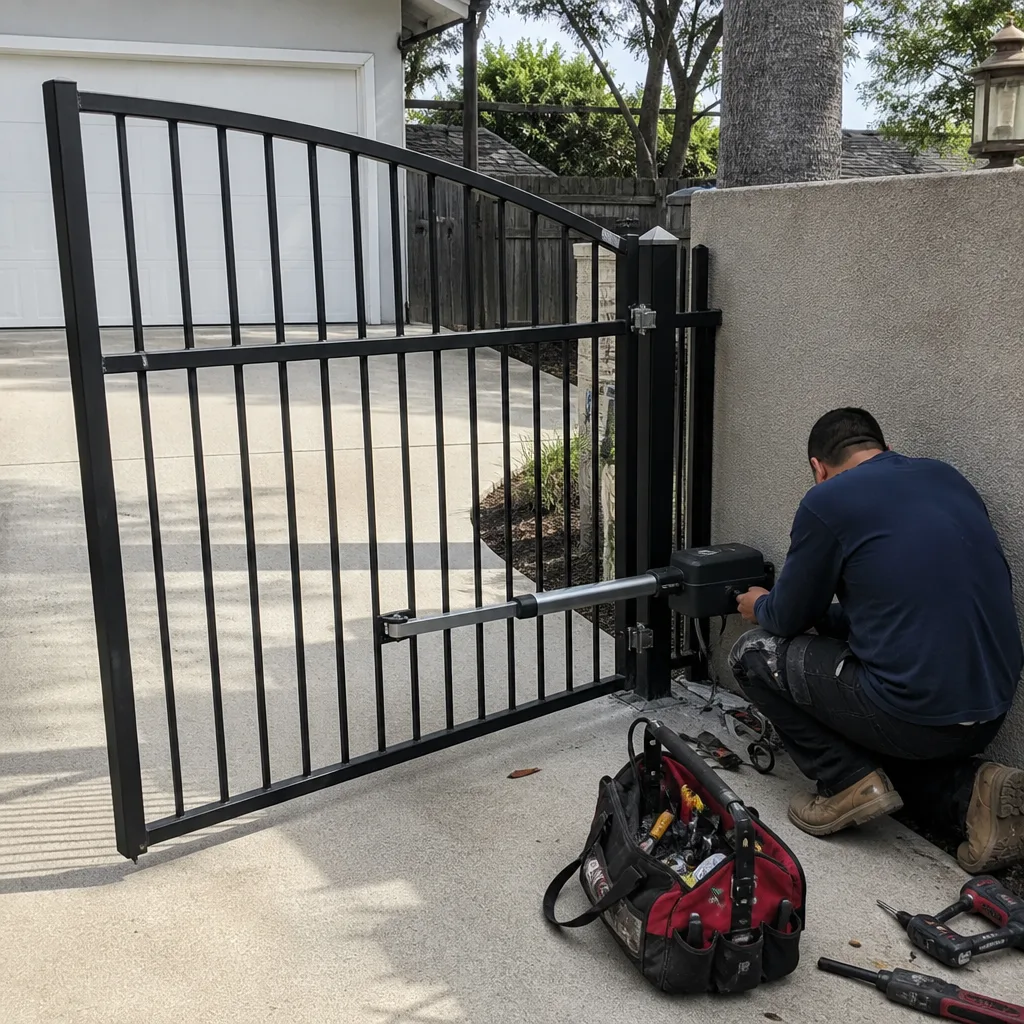
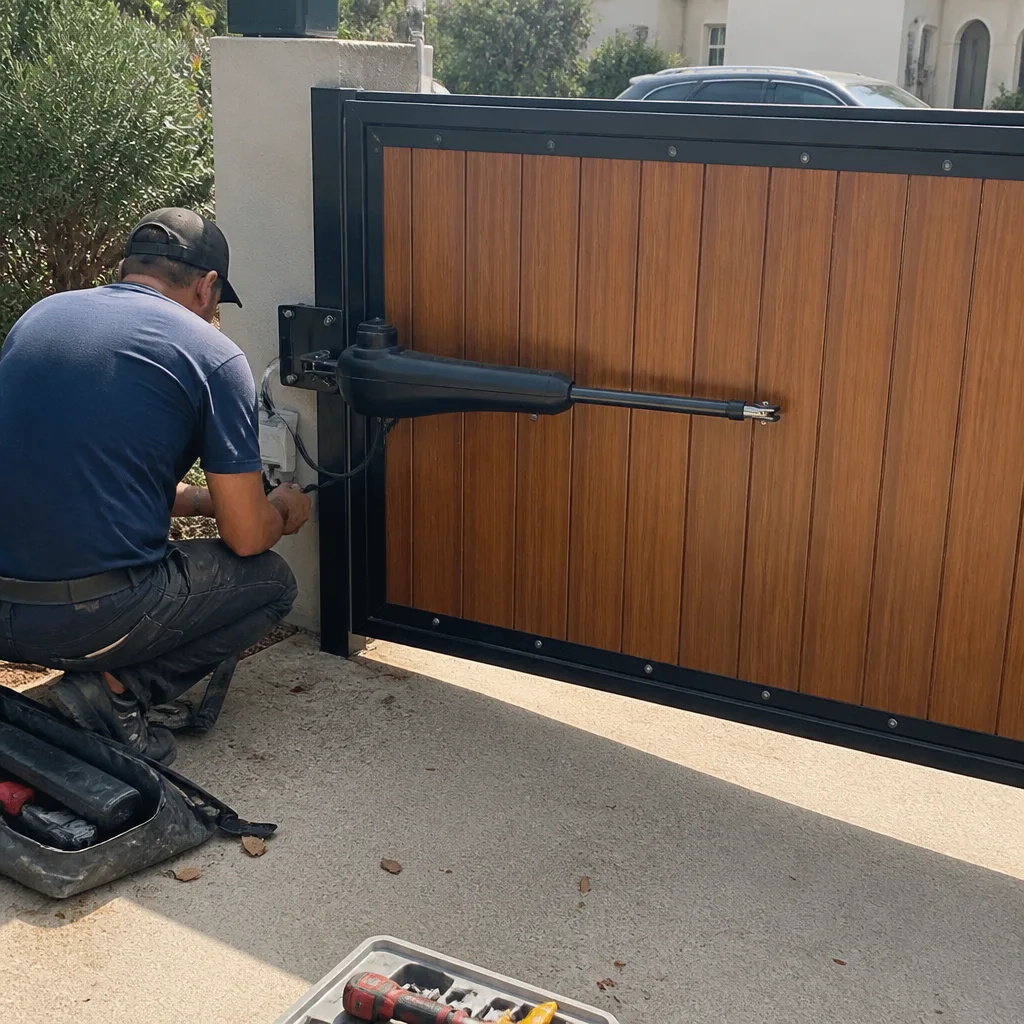
For electric swing gates, the operator arm is the most expensive casualty of wind season. A electric gate repair in Ventura after the first strong Santa Ana of the year usually involves a bent or stripped operator arm, because the gate over-traveled and the arm took the hit. Checking the stop bolts once in September prevents most of those calls.
The 2017 Thomas Fire winter and the wind events since then taught a lot of Ventura homeowners that fall wind prep isn’t optional for hillside properties. Gates on open slopes above Foothill Road take the full brunt. If your gate faces an open canyon or agricultural field, double the inspection frequency during October and November.
Winter: Storm Runoff, Slide Track Rust, and Drainage
When Ventura gets its winter rain, usually concentrated in January and February, the water has to go somewhere. For slide gates, that somewhere is often the track channel. The track sits at ground level, and if the surrounding pad drains poorly, the channel fills with water and fine sediment. The gate then rolls through standing water for days at a time, and rust starts at the bottom edge of the track where water pools longest.
Rust on a slide gate track isn’t subtle. You’ll see it first as orange staining along the inside of the track channel and on the gate wheels. By the time the wheels are pitted, they’re chewing up the track surface, and the gate starts to jump or stick at specific points along its travel. The repair is a wheel and track service, and it costs more than the drainage fix that would have prevented it.
What to check before the rainy season:
- Run the gate halfway open and look at the track from the side. Water stains, rust streaks, or accumulated debris tell you where water is sitting.
- Check the track’s drain holes. Most professional slide gate installations include weep holes in the lowest points. If they’re clogged with Sediment or landscaping material, clear them.
- Look at the ground slope around the track. Ideally, the pad drains away from the track on both sides. If the surrounding soil has settled, water now runs toward the track instead of away. Regrade or add a shallow swale.
- Inspect the gate wheels. Rust-colored wheels and a grinding sound during travel mean the wheel bearings are already compromised. A wheel replacement is cheaper than a track resurfacing.
- The latch no longer lines up square with the catch, and you have to lift or push the gate to help it close.
- Diagonal measurements don’t match. Measure from corner to corner in both directions. A difference of more than a quarter inch means racking.
- The gate’s top and bottom gaps at the hinge post are uneven.
- Bolts that you tighten seem loose again within a season, because the metal around them is work-hardening.
- Clean and align photo-eye sensors.
- Open the operator enclosure and check for corrosion on the circuit board.
- Lubricate hinges, wheels, and the operator chain or screw drive with lithium grease.
- Test the gate’s full travel and listen for changes in motor pitch.
- Check operator housing temperature on hot afternoons.
- Clear vegetation and stored items from around the operator to improve airflow.
- Test the battery on solar-powered operators.
- Watch for afternoon lockout patterns that suggest thermal cutoff events.
- Tighten and inspect all hinge bolts and stop bolts.
- Test the ground lock or drop rod for smooth operation.
- Check the gate frame for racking with diagonal measurements.
- Remove loose signs, decorations, or anything mounted on the gate that adds wind surface.
- Clear slide gate tracks of debris and check drainage holes.
- Verify that surrounding ground slopes away from the track.
- Inspect gate wheels for rust and pitting.
- Check weather seals and operator enclosure gaskets for cracks before the rain arrives.
- Ignoring a gate that works “most of the time.” Intermittent operation in Ventura usually traces back to a specific seasonal pattern, thermal cutoff in summer, condensation in spring, wind damage in fall. “Most of the time” means it’s failing on a schedule, and that schedule will tell you the cause if you pay attention.
- Using WD-40 on gate hinges and bearings. It’s a moisture displacer, not a long-term lubricant. It washes out existing grease and leaves metal drier than before. Use lithium grease.
- Waiting for the rainy season to check slide track drainage. Once water is pooling in the track, the rust has already started. Drainage inspection happens in December, not January.
- Assuming a tripped thermal cutoff means the motor is broken. Resetting the operator brings it back to life, but if the underlying heat problem isn’t addressed, the motor eventually burns out. The cutoff is a warning, not a failure.
- Tightening gate hinges without checking square. Cranking down on a hinge that’s out of alignment just locks the misalignment in place. Check diagonal measurements first.
- Ignoring a gate that scrapes the ground. In Ventura’s sandy soil, a dragging gate picks up grit and wears the bottom rail thin. The scrape is doing damage every time it cycles.
Storm runoff in Ventura also carries a surprising amount of sand and grit, especially in neighborhoods near the Sanjon Road drainage and the river bottom. That grit works into wheel bearings and track rollers, accelerating wear through the whole winter. A thorough track cleaning in December, before the heavy rain arrives, takes 30 minutes and prevents most of the season’s slide gate problems.
If you’ve inherited a gate with an already-rusted track, don’t assume it needs full replacement. Our team evaluates track condition honestly. Some tracks are salvageable with wheel replacement and rust treatment. Others are too far gone, and we’ll tell you that too, with a written price either way.
Year-Round: Temperature Cycling and Gate Frame Racking
Ventura doesn’t freeze, but it cycled through a 30-degree temperature swing on a typical day. Cool nights in the 50s, warm afternoons in the 80s. Metal expands when it warms and contracts when it cools, and a gate frame is metal held together by bolts and welds. Over a few years, that daily expansion and contraction works bolts loose and stresses welds, and the frame slowly racks out of square.
A racked gate is one where the rectangle is no longer a rectangle. You’ll notice it as a gate that used to latch cleanly and now catches, or a gate whose top corner drifts closer to the post than the bottom corner. It moves fine for months, then one morning it won’t close because the latch no longer lines up with the catch. Nobody hit it. The temperature cycling did it.
Signs your gate frame is racking:
Preventing racking is mostly about keeping fasteners tight and the gate lubricated so it moves with minimal resistance. A gate that binds puts more force through the frame on every cycle, and that force accelerates the racking. The specific lubricant matters. For gate hinges and wheels, use a lithium-based grease, not WD-40. WD-40 is a moisture displacer and a light lubricant, not a substitute for grease. Apply lithium grease to hinge pins and wheel bearings every six months.
This is also where the quality of the original gate installation shows. A gate built from lighter-gauge steel racks faster under Ventura’s temperature cycling than one built from heavier stock. If you’re buying a new gate, ask about frame gauge. It’s not a technical detail. It’s the difference between a gate that stays square for a decade and one that needs racking corrections every few years.
The Ventura Seasonal Maintenance Schedule
Here’s the full year, compressed into a checklist you can work through in an afternoon per season. The specific tasks listed here address the failure patterns described in the sections above, and they’re ordered by when they matter for Ventura’s climate.
Spring (April to May, before June Gloom):
Summer (July to September):
Fall (October to November, before Santa Ana season):
Winter (December to February):
If this list feels like more than you signed up for, it’s all included in a single maintenance visit with us. Warden Gate Repair Ventura handles seasonal service as a one-call appointment, and you can explore more guides & resources on our blog. We inspect every item above, give you a written condition report, and quote any needed repairs before work starts. You decide what gets fixed and when.
Common Mistakes to Avoid
When to Call a Professional
Some tasks are homeowner work. Cleaning photo-eye lenses, clearing debris from a track, checking drainage slope, all of that is within reach. Other situations need someone who works on gates every day. Call a professional if your gate trips its thermal cutoff repeatedly, if the frame shows visible racking, if the operator makes a grinding or popping sound, if the gate jerks or binds during travel, or if you see significant corrosion on the circuit board or track. Those are warning signs of component failure, not maintenance items. Gate motor repair work should not be attempted as a DIY project. Warden Gate Repair Ventura offers free estimates in Ventura, call (831) 226-7089, and we’ll send a technician whose name and photo you’ll have before they arrive.
Frequently Asked Questions
Twice a year is the minimum for reliable operation in Ventura’s climate: once in spring before June Gloom and once in fall before Santa Ana season. Gates on inland-facing or hillside properties benefit from a third check in midsummer when thermal stress peaks. Each visit covers lubrication, sensor cleaning, fasteners, and a full travel test.
Your gate operator is likely hitting its thermal cutoff. Ventura’s inland neighborhoods run hot enough in July and August to push the motor’s internal temperature past its protection threshold. The motor locks out until it cools, then works normally. Call (831) 226-7089 and we can verify the thermal pattern and recommend the fix.
Minor repairs like photo-eye cleaning, hinge tightening, and lubrication work typically run between $85 and $150. Parts replacements like operator arms, wheel sets, and circuit boards range from $250 to $800 depending on the brand and model. Every Warden Gate Repair Ventura quote is written and agreed before work starts, so there’s no surprise on the invoice.
In most Ventura neighborhoods yes, especially for emergency failures like a gate stuck open or a motor that won’t respond. Our phone line is answered by a live person around the clock, and we dispatch as soon as we understand the problem. Call (831) 226-7089 and describe what’s happening, and we’ll tell you honestly when we can get there.
We’re factory-trained on nine major gate and opener brands: LiftMaster, FAAC, BFT, Linear, Viking, Ghost Controls, DoorKing, Elite, and Mighty Mule. If your opener falls outside that list, we’ll tell you upfront whether we can source parts and provide service, rather than showing up and improvising.
Every repair we perform is guaranteed in writing for a full year. If the same repair fails within 365 days, we return and fix it with no charge for the second visit. It’s our way of standing behind the work without fine print. Call (831) 226-7089 for details on how the promise applies to your specific repair.
For more detail on what a repair visit includes in Ventura, see our Warden Gate Repair Ventura home page. If you’re troubleshooting a specific opener problem, the electric gate repair in Ventura guide covers common failure modes by brand.
The Bottom Line
Ventura’s climate looks gentle from a distance, but gates here face four distinct stress cycles: humid spring mornings, hot summer afternoons, gusty fall winds, and wet winter runoff. Each season attacks a different component. The homeowner who knows the pattern and works through a seasonal maintenance checklist catches problems at the cleaning and tightening stage, before they become motor replacements and track rebuilds. The homeowner who waits for the gate to stop moving usually pays three to five times more for the repair. A little seasonal attention keeps your gate running quietly and predictably through every Ventura season.
Written by Cole Rafferty, Owner at Warden Gate Repair Ventura, serving Ventura since 2008.
See the difference
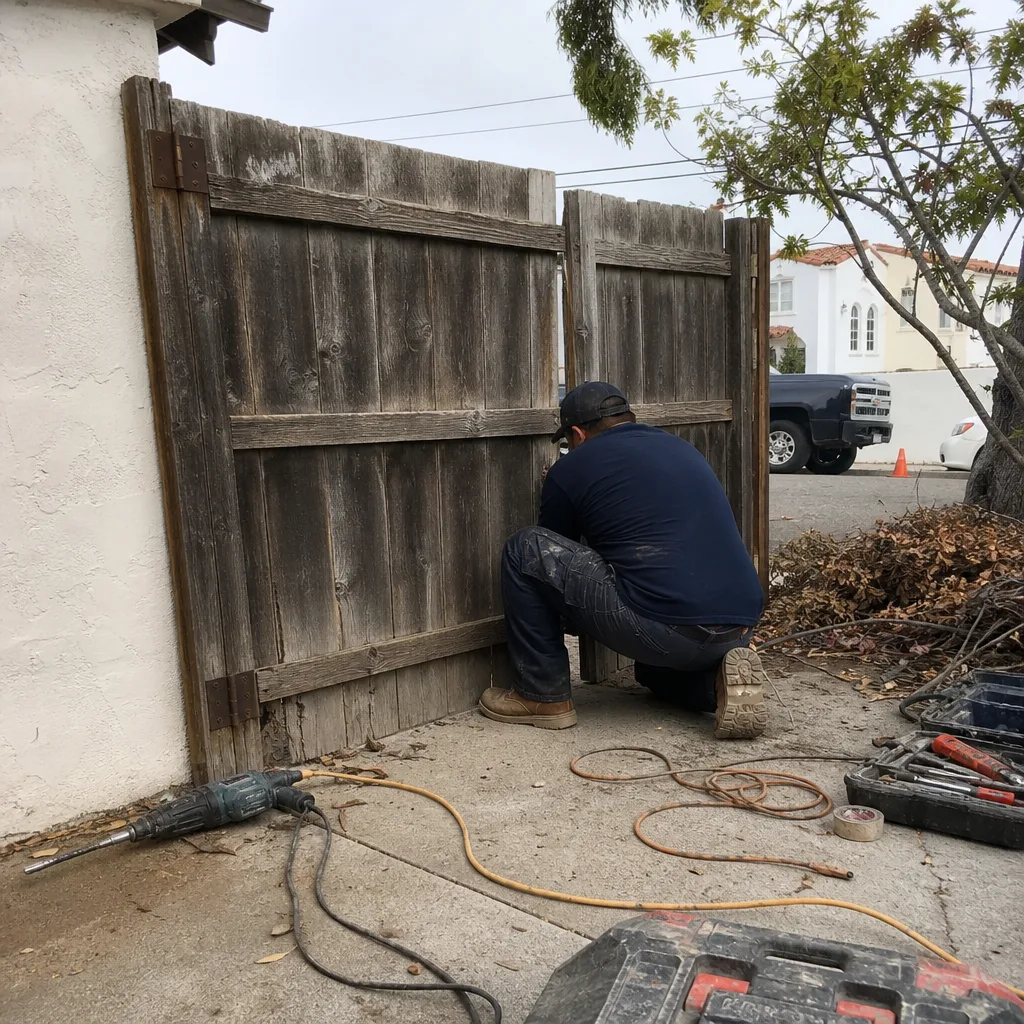 Before
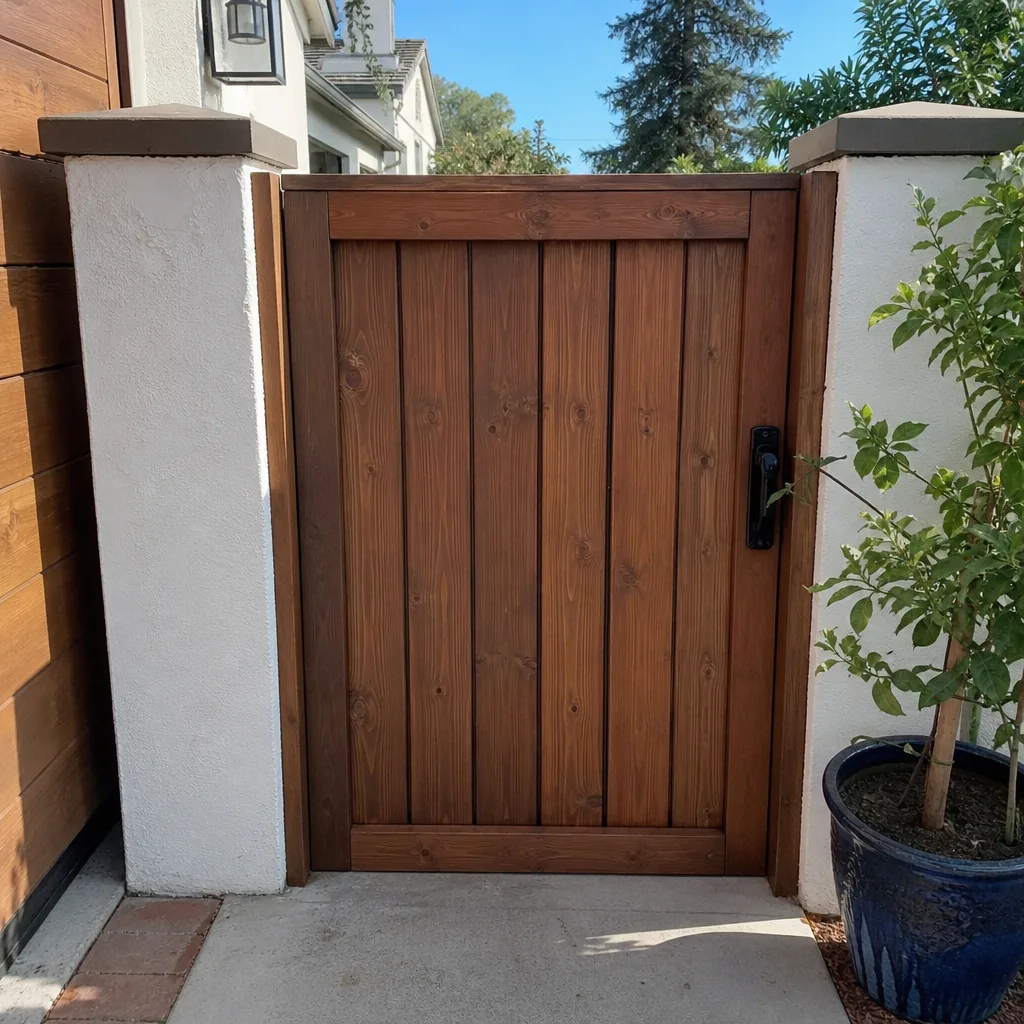 After
After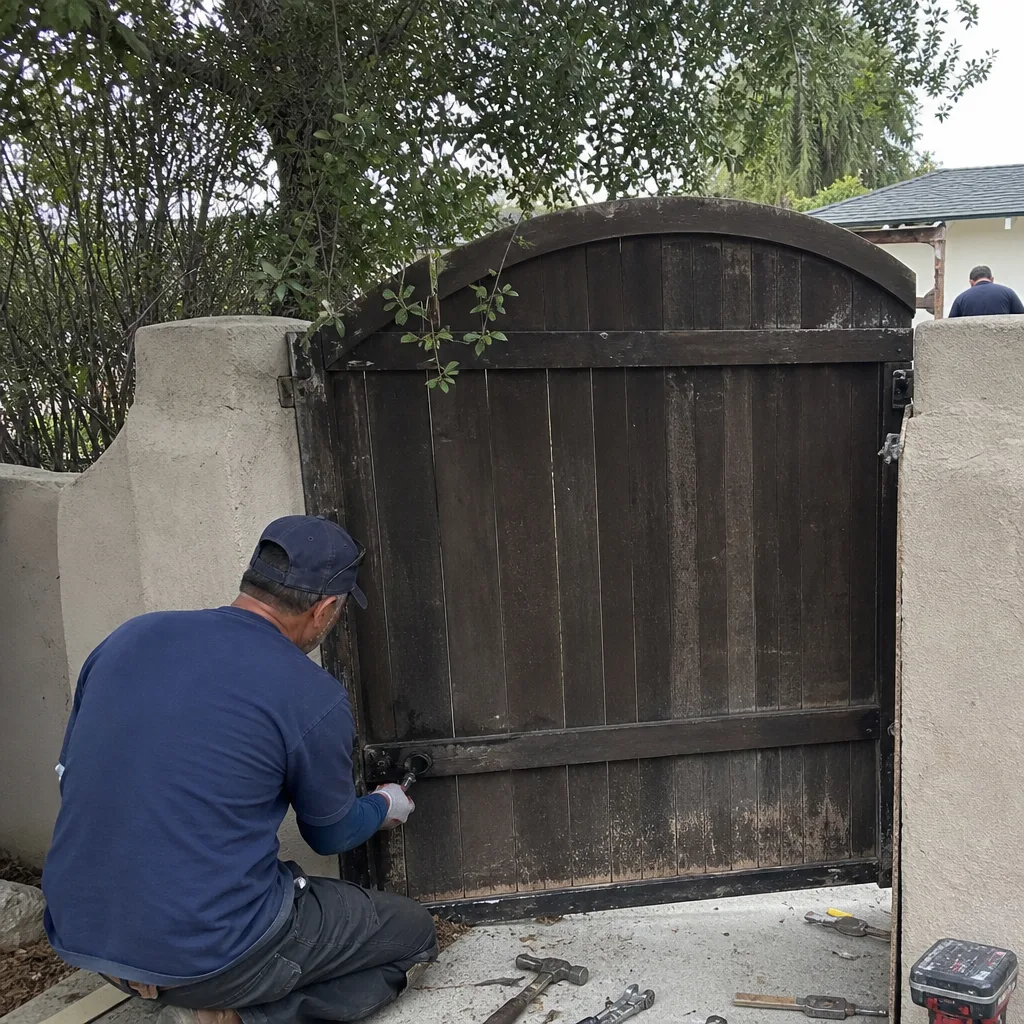 Before
 After
After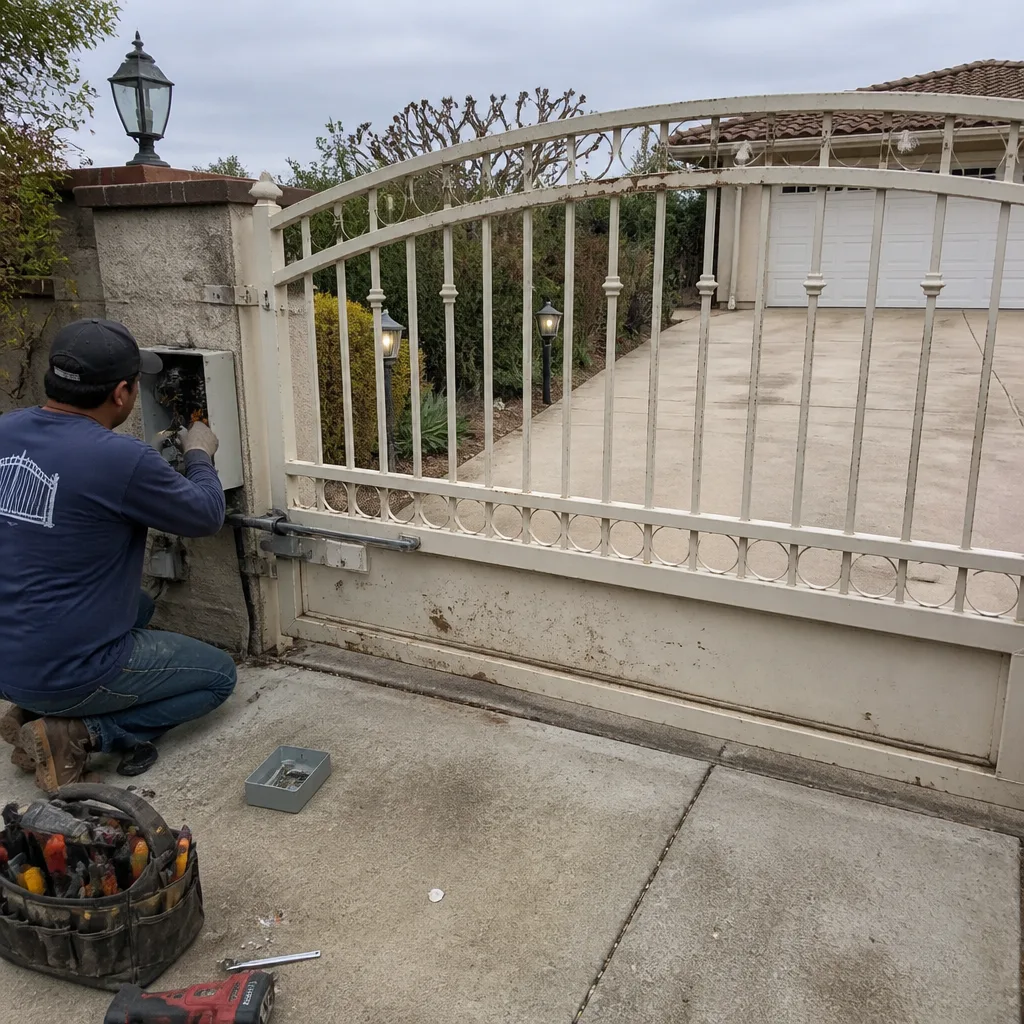 Before
 After
After