
Last updated October 16, 2026
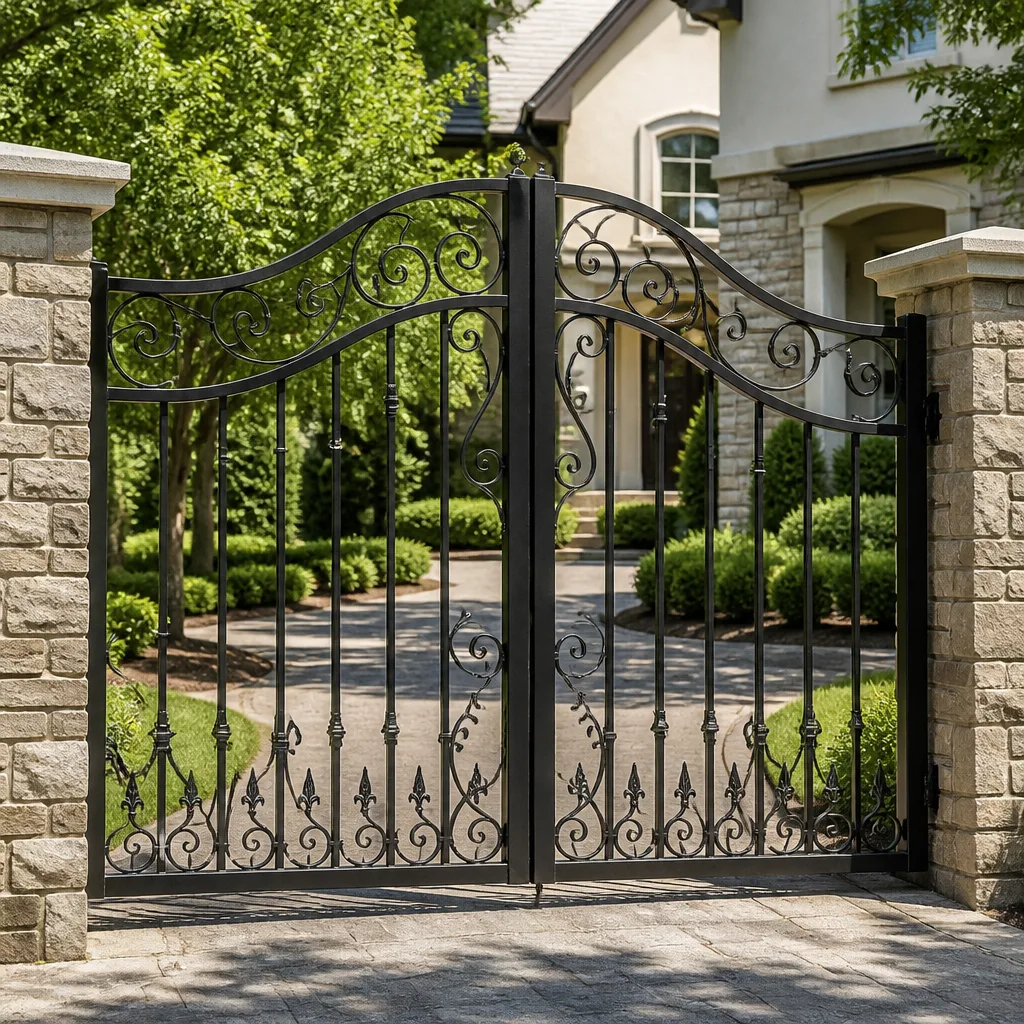 Wrought iron
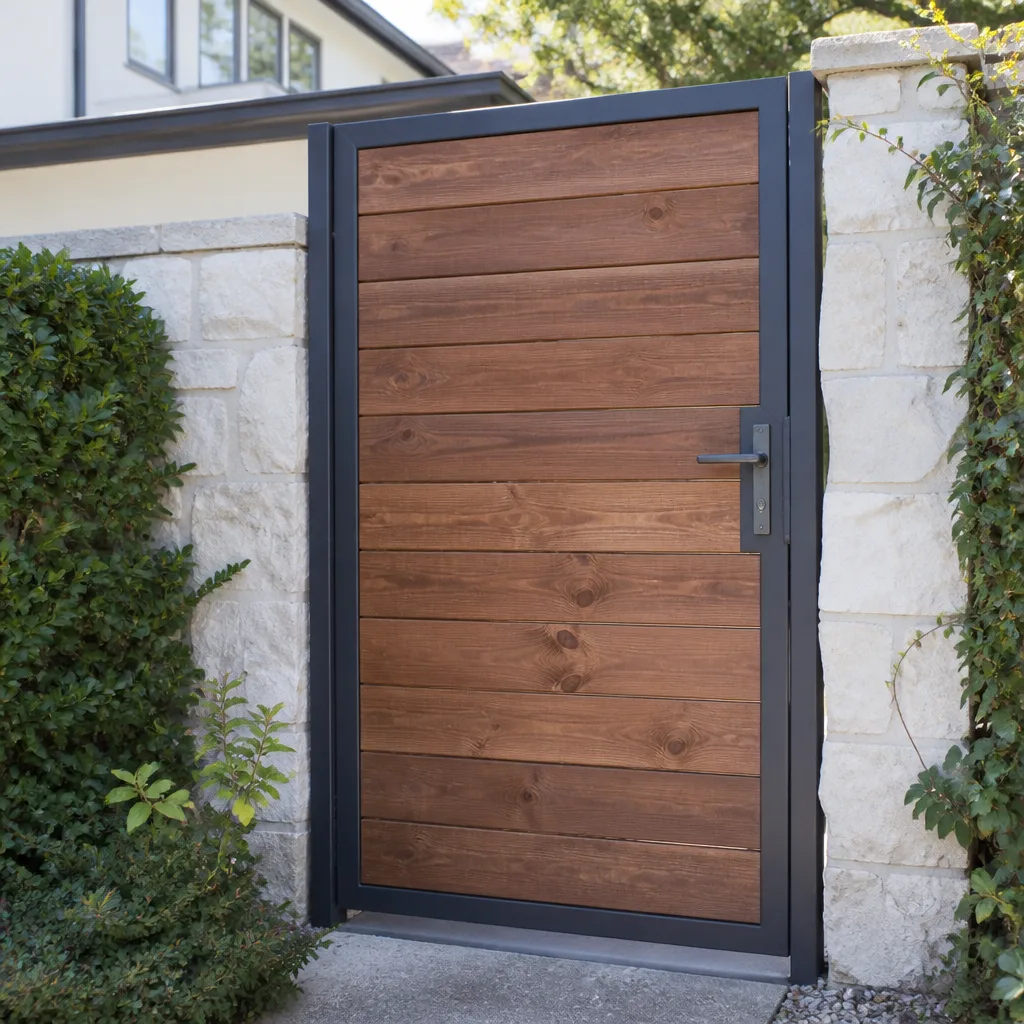 Wood & steel frame
 Farm & ranch
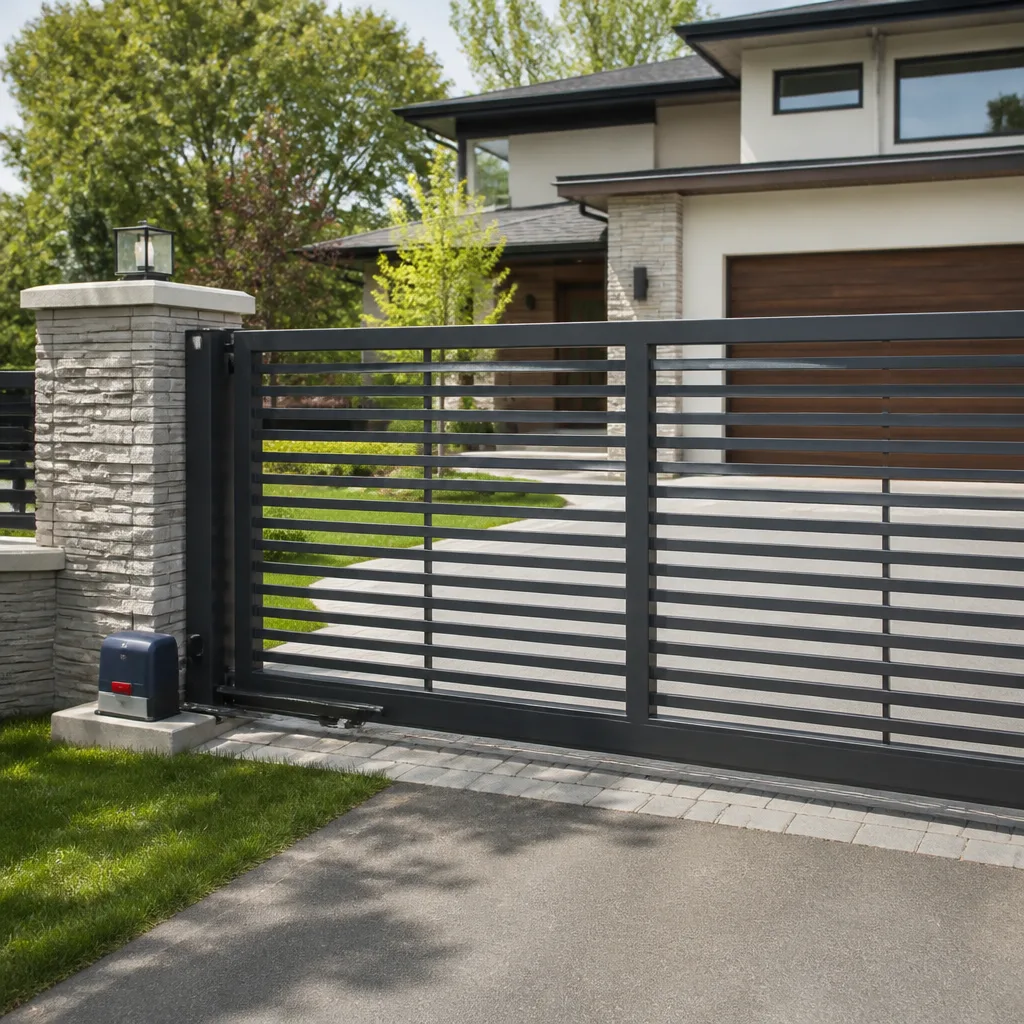 Sliding driveway gates
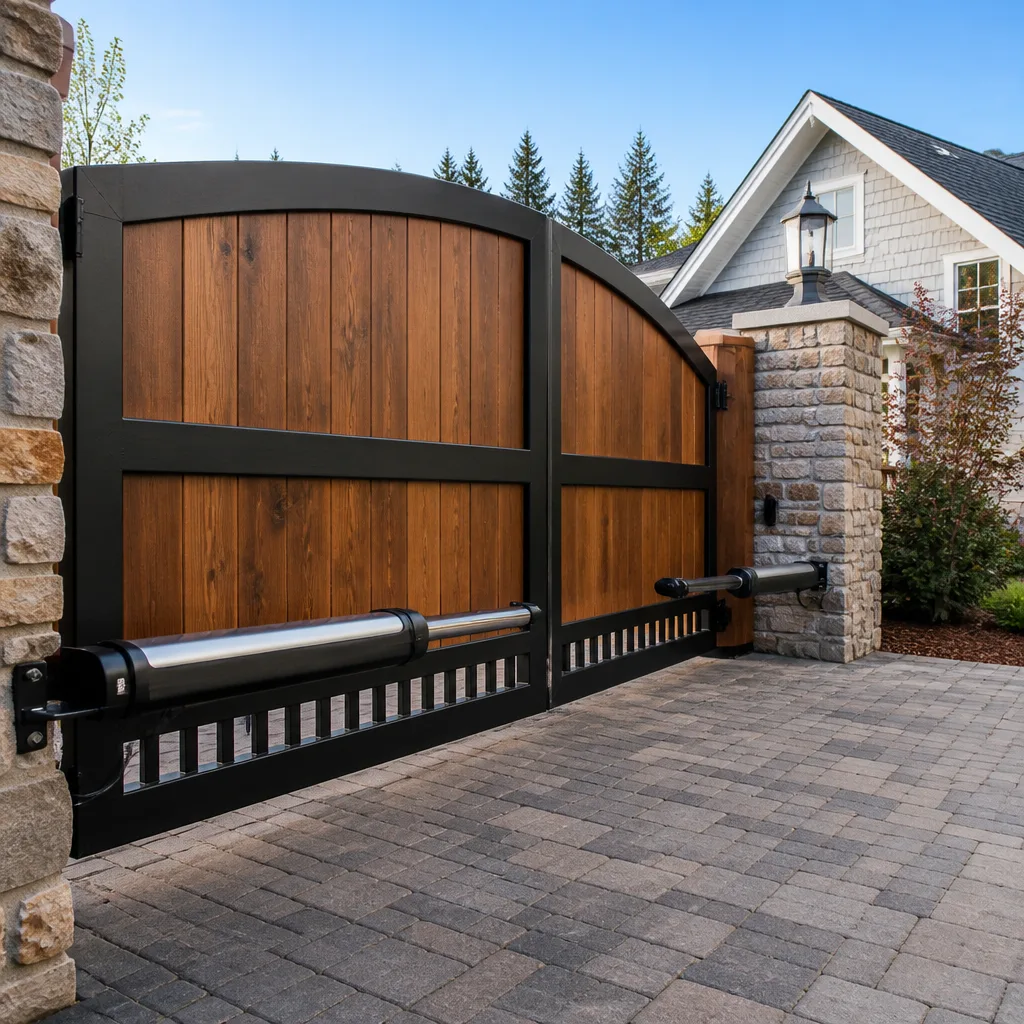 LiftMaster operators
Free on-site gate assessment - hinges, posts, and your LiftMaster or Nice gate operator checked before anything is quoted
The assessment is free and the quote is the invoice.
Get your free estimateThe Complete Guide to Gate Repair in Ventura
Ventura sits close enough to the Pacific that the air itself works against your gate. Most residential zones in this city are within two miles of the water, and that marine layer does something mainland gate guides rarely mention: galvanic corrosion can eat through an untreated steel hinge in under 18 months. This guide explains what actually fails on Ventura gates, why it fails, and how to fix it once rather than watching the same repair come back every season. For professional help, explore our Gate Repair services. You’ll learn the three root causes behind most local gate failures, how to diagnose a sluggish opener before calling anyone, and what an honest written estimate looks like in this market.
Styles & brands we work with
Quick Answer
Gate repair in Ventura typically costs between $180 and $950 depending on whether you’re dealing with a hinge replacement, a limit switch adjustment, or a full opener replacement. For a detailed breakdown, see our Gate Repair Cost Breakdown: The Ventura Homeowner’s Reference for 2026. Most common repairs take under two hours once a technician is on site. The fastest way to get a precise, written price is to call a gate specialist at (831) 226-7089 and describe what the gate is doing.
Table of Contents
- Why Gates Fail in Ventura: The Three Root Causes
- How Salt Air Attacks Wrought Iron, Aluminum, and Wood
- Diagnosing a Sluggish Gate: Motor, Limit Switch, Track, or Foundation
- The Opener Models Ventura HOAs Install Most and What Breaks First
- When a Repair Becomes a Replacement: California UL 325 Standards
- What a Honest Written Estimate Looks Like
- Coastal Maintenance: What Actually Works in Ventura’s Marine Layer
- Common Mistakes to Avoid
- When to Call a Professional
- Frequently Asked Questions
- The Bottom Line
Why Gates Fail in Ventura: The Three Root Causes
After 17 years of gate repair in this city, we can trace almost every failure we see back to three things. They’re not mysterious, and they’re not random. They’re consistent, they’re local, and they’re almost entirely preventable once you know what to look for.
Salt air corrosion is the big one. Ventura’s prevailing onshore breeze carries fine salt particles inland from the Pacific, and they settle on every exposed metal surface. Steel, which is what most older gate hinges and track hardware are made from, reacts with that salt to form rust at a rate mainland homeowners never see. A hinge that would last 10 years in Ojai or Santa Paula can lose half its life three miles closer to the water.
Coastal soil shift is the second culprit, and it’s the one people least expect. Ventura sits on a mix of sandy loam and expansive clay that swells and contracts with seasonal moisture. Gate posts set in that soil move, sometimes by fractions of an inch, sometimes by more. When a post tilts just a few degrees, the gate leaf sags, the latch no longer lines up, and the opener motor strains against a geometry it was never designed to handle. We see this constantly in hillside neighborhoods where drainage changes the moisture load under the post footing.
Mismatched opener programming rounds out the trio. Power outages in Ventura are part of life during Santa Ana wind events and the occasional coastal storm. When the power flickers, a gate opener’s internal settings can reset. The opener loses its travel limits, its force sensitivity, or its remote codes. The gate then behaves erratically: it reverses for no obvious reason, stops halfway, or won’t respond to remotes. Homeowners assume the motor is dying when in fact the board just forgot its settings. This, by the way, is why we always ask whether the gate started acting up right after a power blip. The timeline matters for gate motor repair in Ventura.
How Salt Air Attacks Wrought Iron, Aluminum, and Wood
Every gate material handles Ventura’s climate differently. Knowing which one you have changes everything about what maintenance makes sense and what repairs to expect.
Wrought Iron and Steel
Wrought iron is the classic Ventura gate material, and it’s also the most vulnerable. The problem isn’t the visible rust on the surface. It’s the corrosion that starts inside the joints, behind the decorative scrolls, and at every weld point where two pieces of steel meet. Salt-laden moisture settles into those crevices and sits there. Surface paint hides the damage for years while the steel thins from the inside. We’ve pulled apart wrought iron gates in Midtown Ventura where the exterior paint looked fine and the interior structure had the strength of wet cardboard. The coating that works best in coastal conditions is a zinc-rich primer followed by an epoxy topcoat. Standard hardware-store rust-preventive paint does not hold up to the marine layer.
Aluminum
Aluminum doesn’t rust the way steel does, and that’s the good news. The bad news is that aluminum corrodes differently: it pits, it oxidizes into a chalky white powder, and it’s vulnerable to galvanic corrosion wherever it touches a dissimilar metal. That steel hinge bolted to an aluminum frame? In the presence of salt moisture, the two metals create a tiny electrical current that accelerates corrosion at the contact point. We see aluminum gates in the Pierpont area with hinge bolts that have essentially welded themselves in place. The fix is isolation: nylon washers, stainless steel fasteners, and periodic inspection of every metal-to-metal contact point.
Wood
Wood gates in Ventura face a different enemy: the marine layer’s constant dampness combined with the dry Santa Ana winds that follow. The wood swells with moisture, then shrinks as it dries. Cycles like that crack the joints, loosen the hardware, and warp the gate leaf over time. Cedar and redwood hold up best in this climate, but they still need sealing, not just staining. A marine-grade sealant every two to three years makes a dramatic difference in how long the gate stays square.
Diagnosing a Sluggish Gate: Motor, Limit Switch, Track, or Foundation
A gate that moves slowly or struggles to complete a full cycle is the most common complaint we hear. Before you call anyone, work through this sequence. It’ll tell you what kind of problem you have, and it’ll help you spot a technician who’s guessing instead of diagnosing.
- Disconnect the opener. Almost every opener has a manual release, usually a pull handle or a keyed lever. Pull it and push the gate by hand. If it moves freely and smoothly, the problem is in the opener or the electronics. If it’s heavy, binding, or scraping, the problem is mechanical: track, hinges, wheels, or post alignment.
- Check the track for debris. On a sliding gate, the track collects everything Ventura has to offer: sand, eucalyptus leaves, decomposed granite from nearby landscaping. Clean the track thoroughly. If you see dents, bends, or visible wear on the track wheels, that’s a mechanical issue that needs replacement parts.
- Inspect the limit switches. Most openers have small mechanical or magnetic switches that tell the motor where to stop. If the gate opens too far, slams against the post, or stops short of the full opening, the limit switch is either out of position or failing. This is a $40 to $120 repair on most models, far cheaper than a new motor.
- Look at the post footings. Walk to the end of the gate and sight down the line of the post. Is it plumb? Cracks in the concrete footing, hairline or larger, suggest the post is moving. A gate that starts binding at a certain point in its travel, regardless of what the opener does, is often swinging on a post that’s drifted. This is also true for automatic gates where the issue may be with the electric gate repair wiring buried near the post.
- Listen to the motor. A motor that hums but doesn’t turn is fighting a load it can’t move, usually a mechanical bind upstream. A motor that clicks and does nothing has an electrical problem: a bad capacitor, a dead relay, or a failed control board. A motor that runs but the gate barely moves usually points to a failing gearbox or a stripped drive component.
We use this exact sequence on every service call. It’s not gate-specific sorcery. It’s just paying attention in the right order, and it saves money because a limit switch is not a motor replacement. Some problems you’ll be able to identify on your own-see our DIY vs Professional Gate Repair: The Ventura Homeowner’s Decision Guide for help deciding. Others, like a capacitor or a gearbox, need a technician with parts on hand. Warden Gate Repair Ventura sends a technician with a stocked vehicle, not an empty clipboard. You’ll know what you’re paying for before they touch a single bolt.
The Opener Models Ventura HOAs Install Most and What Breaks First
Ventura’s homeowners associations, especially in newer developments near the foothills and along the 101 corridor, tend to install the same handful of opener models. Here’s what shows up most often and what fails first.
LiftMaster LA400 and LA500 series are everywhere in Ventura’s HOA communities. The LA400 is a slide gate workhorse, and its most common failure is the limit switch assembly. When it fails, the gate stops halfway or overtravels. The LA500 adds battery backup, which is genuinely useful in this wind-prone area, but the batteries need replacement every two to three years and the control board doesn’t always tell you when the battery is dead until the power goes out.
FAAC 400 and 750 series appear frequently on swing gates in older Ventura neighborhoods. FAAC motors are reliable, but their hydraulic fluid degrades with heat and time. A gate that moves slowly on a hot August day but fine in the morning often has degraded hydraulic oil. The seal kits and fluid are standard repairs.
Linear and Viking operators are common on both slide and swing gates. Linear’s strength is simple mechanical design; its weakness is the control board, which is susceptible to power surge damage during brownouts. Viking operators, often used on heavier commercial-style gates, need periodic limit switch adjustment as the gate hardware wears. In our experience, Ghost Controls and DoorKing also show up regularly on residential installations. DoorKing units are especially common on long driveways and multi-residence properties in the East Ventura foothills.
The takeaway here isn’t that one brand is dramatically better than another. The takeaway is that each has a known failure point, and a technician who knows those failure points will diagnose faster and quote more accurately. Anyone who says “your motor is dead, you need a whole new opener” without checking the limit switch on a LiftMaster or the hydraulic fluid on a FAAC is either guessing or upselling. The broader range of gate repair in Ventura work spans all these brands.
When a Repair Becomes a Replacement: California UL 325 Standards
Here’s something most homeowners don’t learn until a repair quote lands in their inbox: certain repairs trigger mandatory safety upgrades under California law. This isn’t an upsell. It’s the code.
UL 325 is the national safety standard for gate operators, and California enforces it through Title 24 building codes. The standard mandates specific safety devices on automatic gates: photo eyes or contact edges that detect a person or vehicle in the gate’s path, forced-entry protection, and audible or visual alarms in specific configurations. When you replace a gate opener, the new installation must comply with current UL 325 standards, not the standards from when the original opener was installed. That means adding photo eyes, safety edges, or both, even if the old gate didn’t have them.
What triggers this? A full opener replacement definitely does. A control board replacement on an existing opener generally does not, because the operator itself isn’t being replaced. A gate operator that’s been damaged in a vehicle strike often does, because the operator and its safety devices are considered a single system. If your Ventura gate has been hit by a car, a scooter, or even a heavy delivery truck, the repair isn’t just about straightening the metal. It’s about bringing the safety system into current code compliance.
We quote this work as a separate line item, not buried in a vague “safety upgrade” figure. You should see the specific devices listed: the make and model of the photo eyes, the length and type of the safety edge, the alarm if required. If a contractor is vague on this, ask for the UL 325 compliance path in writing. The answer tells you a lot about who you’re dealing with.
What an Honest Written Estimate Looks Like
A written estimate for gate repair should tell you exactly what’s wrong, exactly what’s being done about it, and exactly what you’re paying. Vague estimates are a red flag. Here’s the structure we use, and the structure you should expect from anyone who works on your gate.
- Diagnosis line item. What the problem is, stated specifically: “Limit switch assembly on LiftMaster LA400 is failed; gate overtravels by approximately 8 inches in open cycle.” Not “gate issues addressed.”
- Parts, by name and part number. You should see the exact replacement part. “FAAC 790220 hydraulic seal kit” not “replacement seals.”
- Labor. One clear labor figure for the repair, not an hourly rate with no estimate of hours. Hourly rates without a ceiling are how homeowners end up with four-figure surprises.
- Safety compliance note. If UL 325 applies, it’s listed as a separate item with its own price.
- Warranty terms. What’s covered, for how long, and what to do if it fails. A repair without a written warranty is a repair with a question mark over it.
The bait-and-switch bids we hear about from Ventura homeowners follow a pattern: the initial quote covers “labor,” the parts turn out to cost triple what was implied, and the warranty is verbal. Seen it dozens of times, mostly from generalist handyman services that don’t specialize in gates. The Warden Gate Repair Ventura home for gate work starts with a specific, written price. The threshold for trust in home service gets lower every year. A detailed estimate is not too much to ask for. It’s the minimum.
Coastal Maintenance: What Actually Works in Ventura’s Marine Layer
The maintenance advice in most online gate guides was written for inland climates. For Ventura-specific advice, browse our more guides & resources. In Ventura, some of it is useless and some of it actively makes things worse.
Lubrication. Use a marine-grade lithium grease on hinges and track wheels, not the generic white lithium spray from the big-box store. The marine version is formulated to resist water washout and salt contamination. Apply it every six months if you’re within two miles of the ocean, annually if you’re further inland.
Inspection. Checking a gate in mainland California means looking at it. Checking a gate in Ventura means running your fingers along the underside of the hinge welds, behind the opener cover, and along the bottom rail where salt-laden condensation collects. The corrosion starts where you can’t see it. Annual inspection, not just visual but tactile, catches problems when they’re still cheap to fix.
Rinsing. It sounds ornamental, but rinsing the gate hardware with fresh water every couple of months during the dry season flushes salt before it accumulates. This is more practical for smaller gates than for long driveway installations, and for the smaller ones it works.
Opener maintenance. The control board and motor on any gate opener benefit from an annual dust-out. Ventura’s dry wind blows fine particulate into the housing, and that dust holds moisture against the electronics during the humid marine-layer months. A clean opener runs cooler and lasts longer.
We don’t sell maintenance contracts. If you want to do this work yourself, the guidance above is enough to do it properly. If you’d rather have someone else handle it, the cost of an annual inspection is small compared to the cost of replacing hinges, posts, or an opener that failed quietly over two or three years.
Common Mistakes to Avoid
- Painting over active rust. Steel keeps corroding under the new paint unless the rust is mechanically removed and a zinc-rich primer goes on first. Painting over rust just hides the countdown.
- Ignoring a gate that’s slightly out of level. A small post shift today is a motor replacement tomorrow. The opener compensates until it burns itself out. The slight sag is the early warning.
- Replacing the opener before checking the mechanicals. We replace motors that were never the problem every month, because someone diagnosed by swapping parts instead of understanding the gate. The gate’s manual operation tells you where the fault lives.
- Using a generalist handyman for specialized gate work. Gates aren’t like plumbing or drywall. They have motors, limit switches, safety sensors, and code requirements specific to UL 325. A handyman who fixes a gate the same way they fix a fence is guessing.
- Accepting a verbal quote. If the price isn’t written down with parts specified before the work starts, you haven’t received a quote. You’ve received a hope.
- Waiting for the gate to fail completely before calling. The gate that screeches for six months before it dies was fixable at the screech. Waiting turns a $150 repair into a $1,200 replacement.
- Fixing the wrong side of a two-leaf gate. On double swing gates, one leaf carries the latch and the other carries the opener. We see both adjusted at once when only one side was out, which doubles the labor for no mechanical benefit.
When to Call a Professional
Call a gate professional when the gate won’t hold its travel limits, when the opener makes a grinding or humming sound that wasn’t there before, when the gate reverses unexpectedly on a regular basis, or when a visible crack appears in a post footing. Call if the gate was struck by a vehicle, even gently, because frame damage doesn’t always show up immediately and safety devices can be knocked out of compliance. And call when you’re not sure. Diagnosing over the phone is part of the job. Warden Gate Repair Ventura offers free estimates in Ventura, call (831) 226-7089. You’ll get a specific, written price before any work starts.
Frequently Asked Questions
Most gate repairs in Ventura run between $180 and $950 depending on the component and the gate’s complexity. Hinge replacements are typically at the low end, while full opener replacements with UL 325 safety device upgrades land at the high end or above. Call (831) 226-7089 for a precise written estimate, which is always free.
Same-day service is available for most repairs when parts are on the truck, which is most of the time. Warden Gate Repair Ventura stocks the common failure parts for LiftMaster, FAAC, Linear, Viking, Ghost Controls, DoorKing, and other major brands, so a limit switch or a seal kit doesn’t require a second trip.
Power interruptions in Ventura, especially during Santa Ana winds, often reset an opener’s travel limits and force settings. The motor is usually fine. The fix is re-programming the limits and re-registering remotes. This is a quick, inexpensive repair in most cases.
Yes. Ventura’s marine layer deposits salt on exposed metal every day, and untreated steel hinges and hardware can start showing structural corrosion within 18 to 24 months of installation. Aluminum avoids rust but is still vulnerable to galvanic corrosion at steel contact points. Marine-grade coatings and stainless hardware are the only reliable defense.
UL 325 is the safety standard that requires photo eyes, contact edges, and other devices on automatic gates. If you’re replacing an opener, California requires the new installation to meet current UL 325 requirements, which may mean adding safety devices the old gate didn’t have. It’s a code requirement, not an optional upgrade.
We’re authorized for service on nine major gate and opener brands: LiftMaster, FAAC, BFT, Linear, Viking, Ghost Controls, DoorKing, Elite, and Mighty Mule. If your gate uses something outside that list, call anyway and we’ll tell you honestly whether we can help.
The Bottom Line
A gate in Ventura fails from the environment first and the hardware second. Salt air, shifting soil, and power-outage programming resets are the real culprits behind most breakdowns, and understanding that changes how you maintain, diagnose, and budget for the work. The most expensive repair is the one done twice because the root cause was never addressed. Get a written estimate with specific parts. Ask about UL 325 compliance. If it feels vague, it’s vague. And when you’re ready for a real diagnosis, call (831) 226-7089. The price is always written, always specific, and always before any work begins.
Written by Cole Rafferty, Owner at Warden Gate Repair Ventura, serving Ventura since 2008.
See the difference
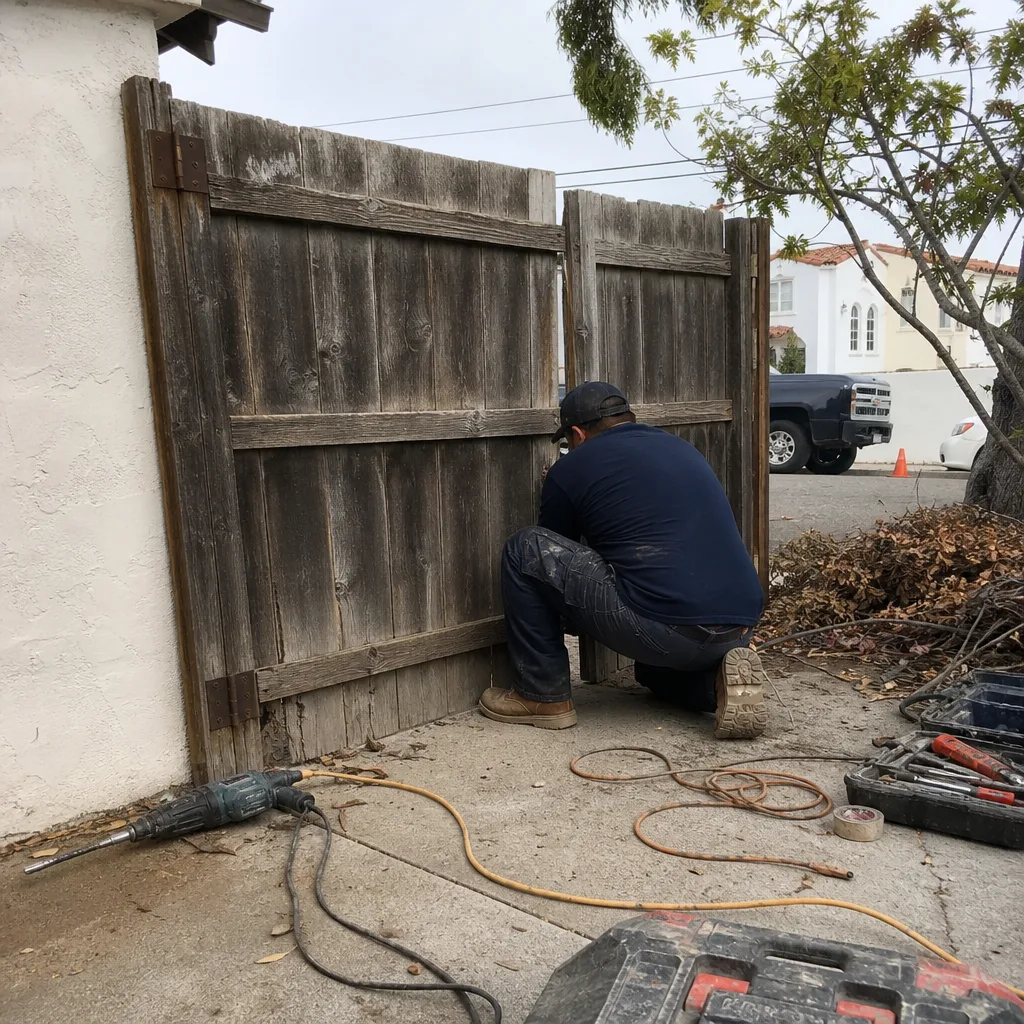 Before
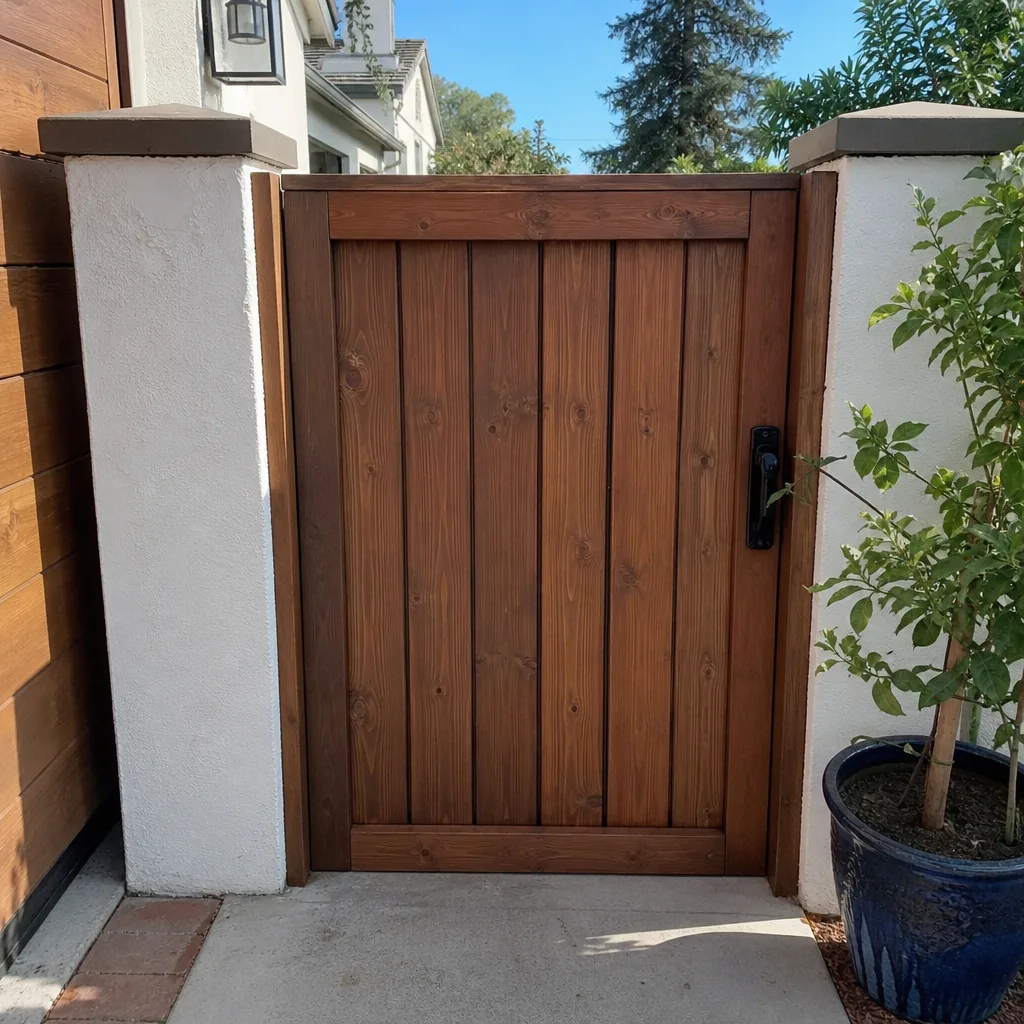 After
After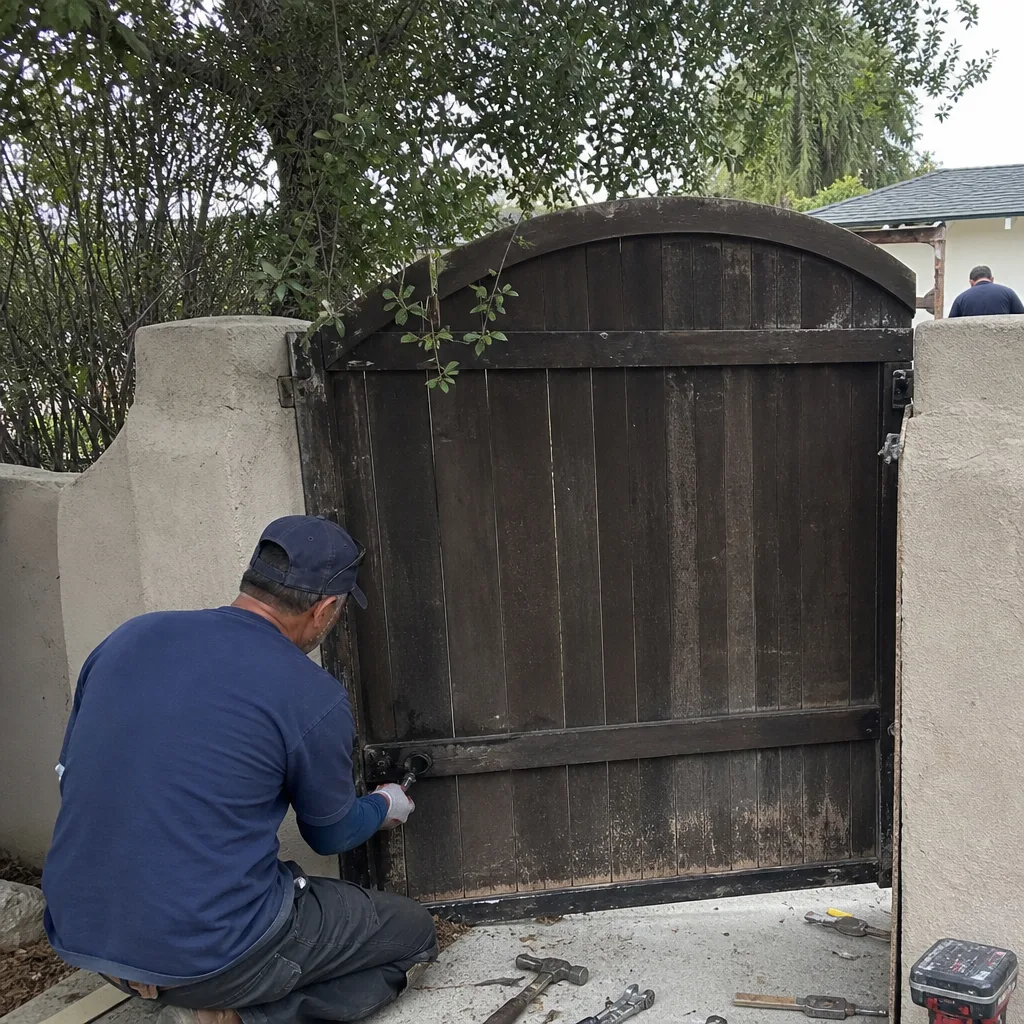 Before
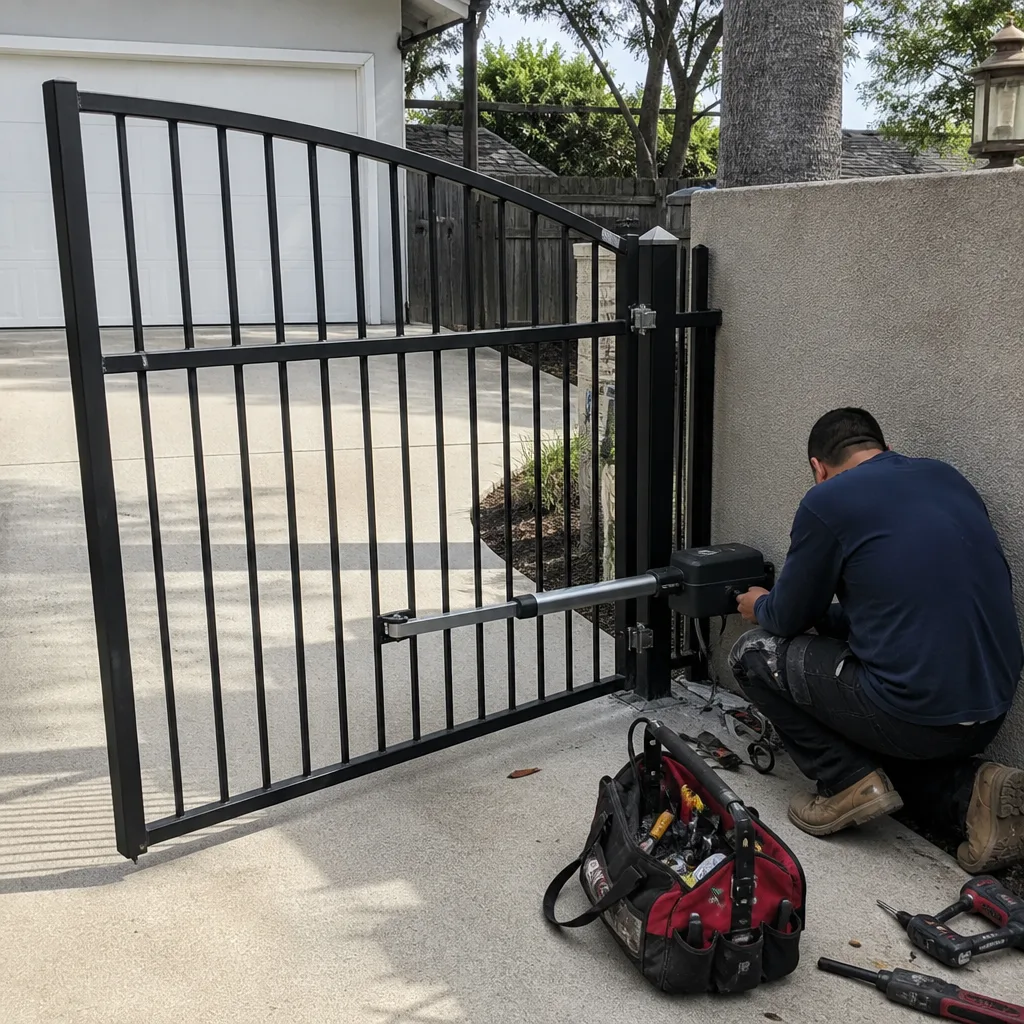 After
After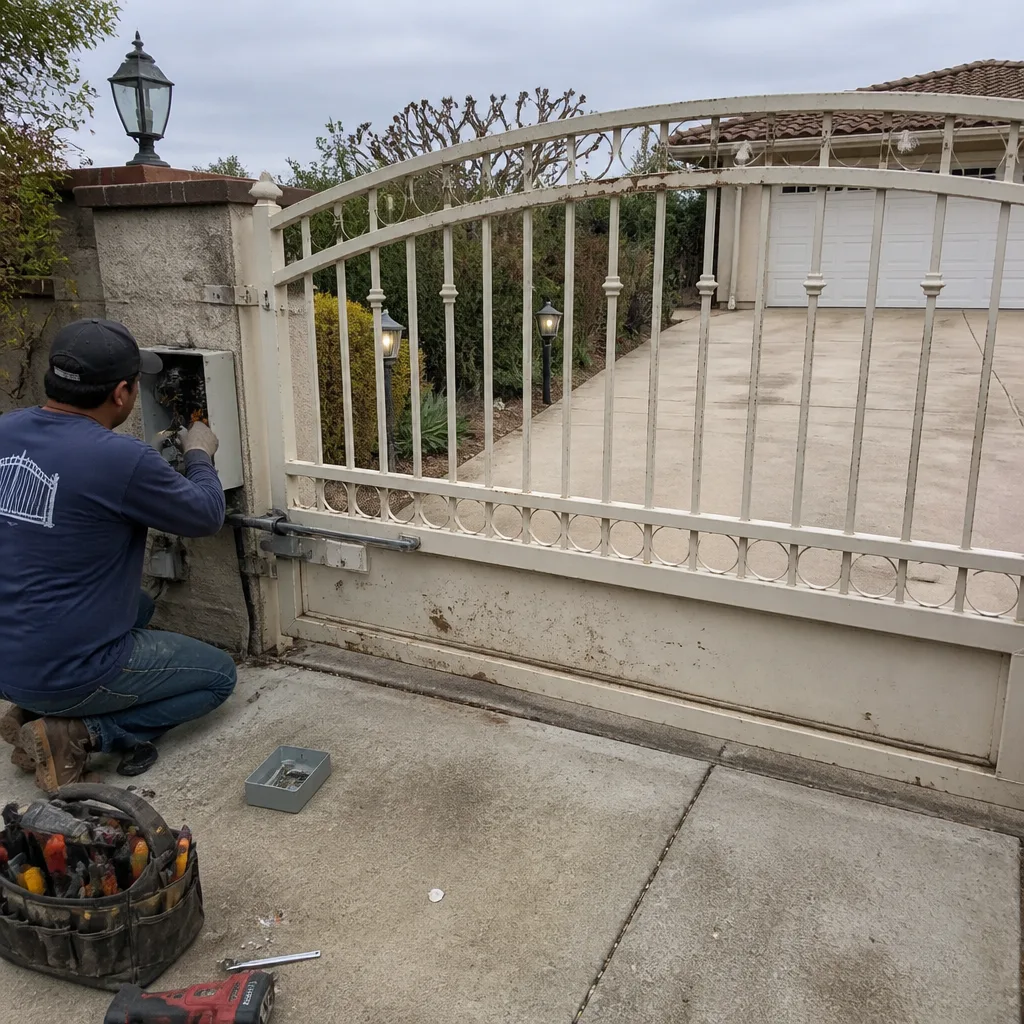 Before
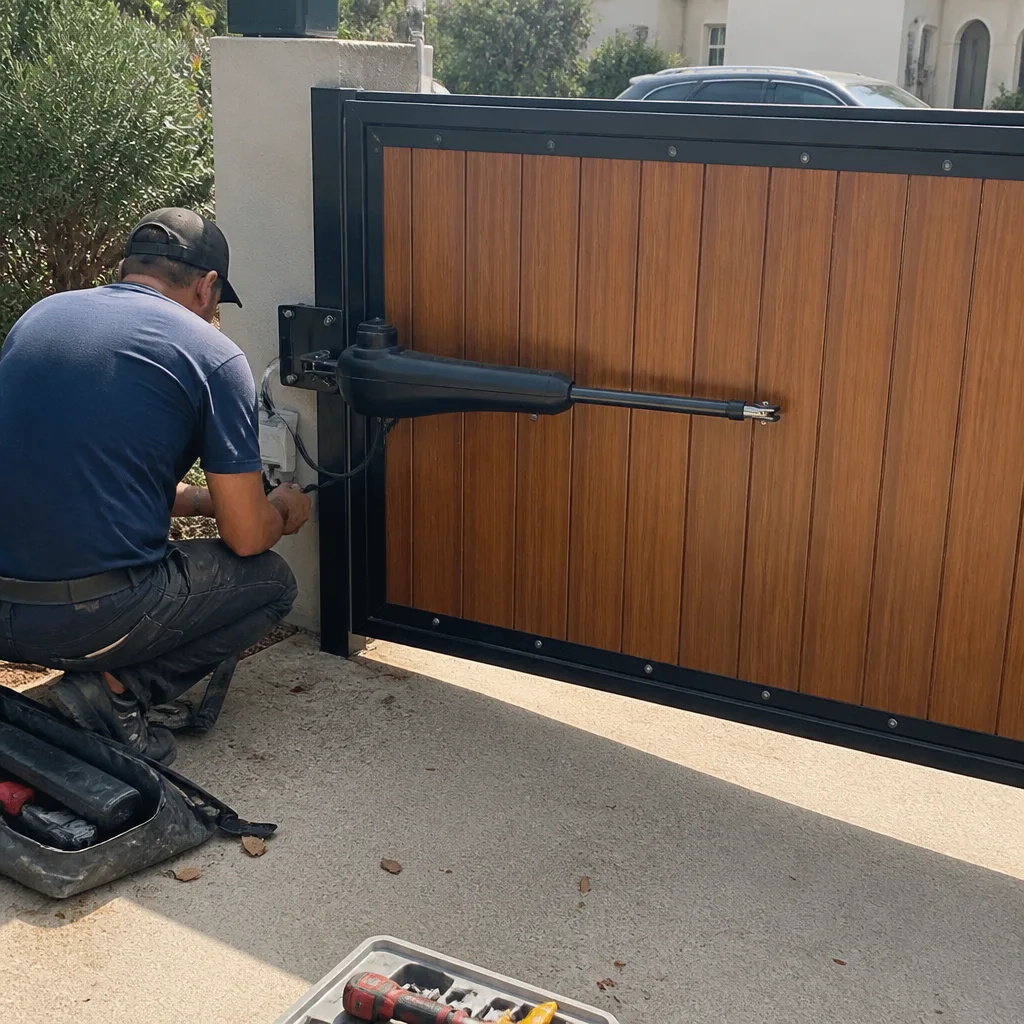 After
After